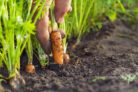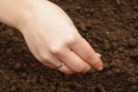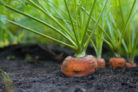
If you’ve ever gone a little overboard while sowing carrot seeds, don’t worry—we’ve all been there! But if you want those roots to grow big, straight, and healthy, you absolutely have to thin them out. Thinning gives each carrot the elbow room it needs to thrive.
Now, here’s a pro tip: you don’t actually have to toss those extra seedlings in the compost. You can actually replant them! It takes a little extra effort, but it’s a great way to maximize your harvest.
Thin Early for Best Results
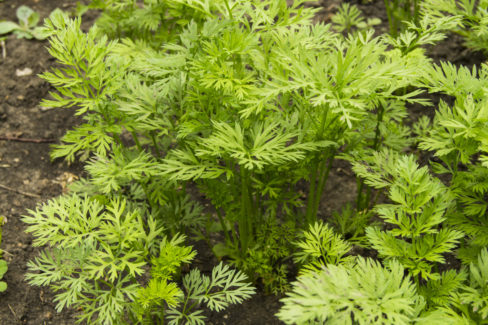
When it comes to thinning, timing is everything. You can usually start planting carrots as early as March. About four weeks after sowing, you’ll notice the seedlings have developed their first set of “true” leaves. That’s your signal to get to work, as most of the seeds will have germinated by then.
The earlier you thin, the easier it is to transplant the extras. Carrots develop a very long taproot surprisingly fast. If you wait too long, transplanting becomes a nightmare because you cannot trim that root, and you definitely can’t let it bend or curl when you put it back in the ground.
How to Replant Your Carrots
If you’re planning on giving those pulled seedlings a second home, don’t just yank them out by the stems. Instead, use a garden fork to gently lift them from the soil. Be careful not to disturb the roots of the carrots you’re leaving behind or loosen their soil too much.
To replant them, you’ll need a dibber (a pointed garden tool) that’s at least 7 inches long. This is a must-have tool for pricking out carrots properly. Just a heads-up: transplanted carrots usually take a little longer to mature because they experience a bit of “transplant shock,” so expect a slightly later harvest for these guys.
Carrots love a loose, sandy soil mix. You can even transplant your extras into a large container filled with a sand-and-soil blend. This is actually a clever hack! Transplanted carrots tend to grow more side roots, which can make digging them up a bit of a chore. If they’re in a pot, you can just tip the whole thing over at harvest time and shake the dirt off. Easy peasy!
Post-Thinning Care
Thinning is a bit stressful for everyone involved—the plants being moved *and* the ones staying put. To help the remaining carrots settle back in, try filling the small holes left behind with some fine quartz sand. The sand trickles down into the gaps, keeping the soil loose, airy, and well-drained. Your carrots will thank you for it!