Carrots are one of those garden staples that are surprisingly easy to grow once you know a few simple tricks. They don’t require much fuss throughout the season, and depending on which variety you pick and when you get them in the ground, you can look forward to a pretty impressive harvest.
Spring Sowing
You can usually start sowing your carrot seeds around mid-to-late March, though the exact timing really depends on your local weather. If you live in a warmer climate, you might even get a head start in early March. If you do decide on starting your carrots that early, I highly recommend using a garden fleece or row cover. It keeps the soil from drying out too fast and creates a cozy little microclimate that helps those seeds germinate much faster.
Growing in Garden Beds
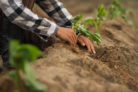
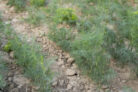
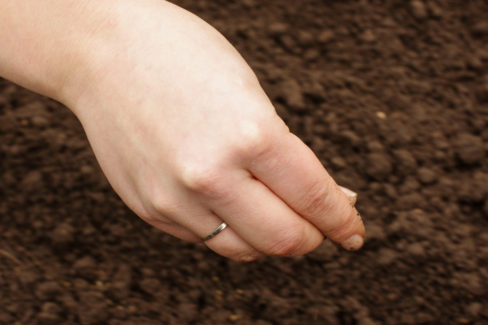
Most folks plant their carrots directly in the garden bed. The key here is the soil—you want it to be nice and crumbly. Start by making shallow rows about half an inch to an inch deep. Space your seeds out as evenly as possible; if they’re too crowded, they won’t have enough elbow room to develop those nice, straight roots we’re looking for.
Once the seeds are in, cover them with a light layer of fine soil and give them a good watering. Here’s the most important part: don’t let the soil dry out during the germination phase! This is the number one mistake I see home gardeners make, and it’s usually why carrots fail to show up or grow sporadically.
Growing in Raised Beds
I’m a huge fan of growing carrots in raised beds. You have total control over the soil quality, and the soil warms up much faster in the spring, which really kickstarts growth. The only trade-off is that raised beds dry out quicker than the ground, so you’ve got to stay on top of your watering game.
In a raised bed, you can create the “perfect” carrot cocktail: a mix of soil and sand at least 8 inches deep. I like to use about two-thirds nutrient-rich compost and one-third sand. The sand keeps the soil loose and airy, allowing the roots to dive deep without hitting any resistance. Plus, when it comes time for harvesting your carrots, that loose soil makes it so much easier to pull them out without snapping the ends off!