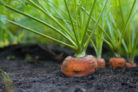
If you’re running low on freezer space or don’t have a root cellar to store your harvest, drying your carrots is a fantastic alternative. Dried carrots make for a super healthy snack or a flavor-packed addition to your favorite recipes.
Harvesting Your Carrots
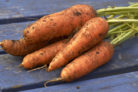
The great news is that you can dry pretty much any carrot variety. Whether it’s those sweet summer carrots or the hearty storage varieties you pull up in the fall, they all work great. It’s also a perfect way to use up any roots that got nicked by your shovel during harvest—since those won’t keep long in storage anyway.
Just a quick tip: only use healthy carrots that are free from pests or disease. Pests can really mess with the flavor, and once the water is gone and the sugars concentrate, any “off” tastes will be way more noticeable.
Prepping the Roots
To get started, give your carrots a good scrub. Trim off any discolorations or minor spots. This is also a great way to use those “ugly” carrots that didn’t grow perfectly straight after thinning out your rows.
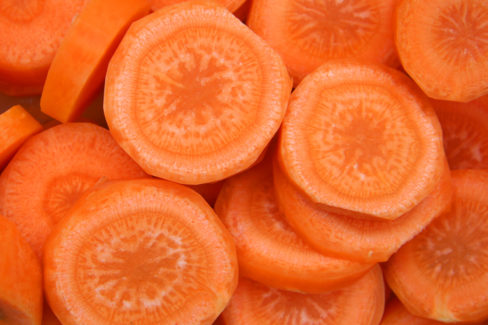
For most uses, slice the washed carrots into thin rounds. If you’re planning on grinding them into a carrot powder later, grating them is the way to go. And don’t forget your furry friends! Dried carrots are a healthy snack for dogs, though you’ll want to cut those pieces a bit thicker so they have something substantial to chew on.
How to Dry Your Carrots
If you have a big batch to process, the oven is your best friend. Spread your carrot slices out in a single layer on a baking sheet lined with parchment paper. Set your oven to about 120°F (50°C) and keep the door propped open just a crack to let moisture escape. The timing depends on how thick your slices are, but the golden rule is to make sure they are bone-dry all the way through. If there’s any moisture left in the middle, they might get moldy later on.
If you’re not in a rush, you can also air-dry them. Spread the slices out on a wire cooling rack so air can circulate all around them. Place the rack in a sunny spot or somewhere warm and breezy.
Once they’re completely dry and brittle, store them in an airtight container in a dark, cool place. Happy snacking!