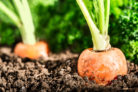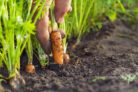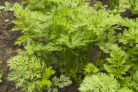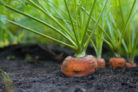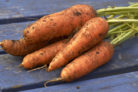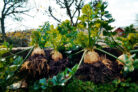
Carrots are a backyard favorite for a reason—they’re super easy to grow and taste way better than anything you’ll find at the grocery store. Plus, you don’t even need a huge garden plot; they do great in raised beds or deep containers! With a few simple pro-tips, you can keep your plants thriving and maximize your harvest.
Choosing the Right Variety
There is a huge world of carrots out there beyond the standard orange ones. While it’s fun to play with different colors and shapes, the most important thing to consider when growing carrots is the “days to maturity.”
Generally, you’ll choose between quick-growing varieties (perfect for summer snacking) and storage varieties. Storage carrots take longer to develop but are much hardier, meaning they’ll stay fresh in a cool cellar or fridge all winter long.
Sowing Your Seeds
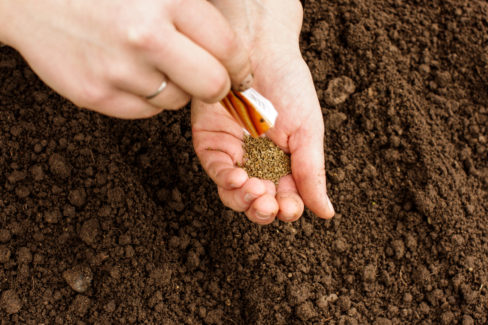
You can start sowing your seeds as early as March, but your timing really depends on when you want to harvest. If you’re looking for sweet “baby” carrots to eat fresh, go ahead and start early. If you’re planning on storing them for winter, it’s better to wait until late April or May to get them in the ground.
How to plant:
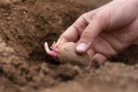
- Create a shallow trench about 1/2 to 3/4 inch deep.
- Space your seeds as evenly as possible.
- Cover with soil and gently press down to ensure good seed-to-soil contact.
- Give them a good watering.
When you plant your carrot seeds, try to give them some breathing room from the start. Carrots really don’t like being moved once they’ve started growing—transplanting usually leads to funky, twisted roots. That’s why we almost always sow them directly in the garden rather than starting them indoors.
Care and Maintenance
Patience is key here! Carrots can take three to four weeks just to sprout. During this time, you have to keep the soil consistently moist; if the seeds dry out during germination, they won’t make it. Once your seedlings are about an inch tall, it’s time to thin them out if they’re looking a bit crowded.
While you *can* try to transplant the extras to a different spot, they rarely grow into those perfect, straight carrots we all want. Most gardeners just toss the thinned-out seedlings onto the compost pile.
As far as “diet” goes, carrots are thirsty plants that love their nutrients. It’s a great idea to prep your soil with an organic fertilizer before you even plant. Once they’re established, feeding your carrots with a liquid fertilizer every two weeks will help them grow big and strong.
Dealing with Pests
The biggest headache for carrot growers is the carrot rust fly. These pests lay eggs near the base of the plant, and the larvae tunnel straight into your beautiful roots. A great natural trick to prevent this is “companion planting.” Try planting onions or leeks next to your carrots. It’s a win-win: the onion scent confuses the carrot fly, and the carrot scent helps keep leek moths away!
If you have a major pest problem, your best bet is a fine mesh garden cover (row cover). Just make sure the mesh is tight enough to keep the flies out. Also, remember to rotate your crops every year, as those pesky larvae can actually overwinter in the soil.