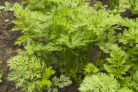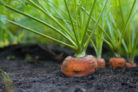
Growing your own carrots isn’t actually that much work, but it can be a little frustrating if those seeds decide not to sprout. To make sure you get a great harvest, there are a few key things to keep in mind during that critical germination phase.
To Transplant or Not to Transplant?
You really don’t need to start carrots indoors. Even though you might see carrot seedlings for sale at some garden centers these days, they usually don’t grow into those beautiful, straight roots we’re looking for. This is because the taproot is super sensitive; if it gets disturbed during transplanting, it ends up stunted or misshapen. That’s also why you should avoid pricking out or transplanting carrots if you can help it.
Direct sowing is always the way to go with carrots. Sure, you might end up sowing them a bit too thick, but you’ll have much less thinning to do later, and your carrots will grow much more evenly.
Prepping Your Garden Bed
If you take a look at carrot seeds, you’ll notice they are tiny! Because of that, they need a seedbed with very fine, crumbly soil. While you’re prepping the dirt, go ahead and mix in some organic slow-release fertilizer, like horn meal or organic fertilizer pellets.
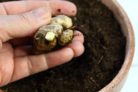
Once your soil is ready, draw out some furrows about 1/2 to 3/4 of an inch deep. You’ll want to keep your rows about 12 to 16 inches apart. Ideally, try to leave about 2 inches of space between each seed. A pro tip to avoid over-sowing is to mix your carrot seeds with a little bit of damp sand before spreading them out.
You can even prep this carrot-and-sand mix the day before you head out to the garden. The moisture in the sand gives the seeds a “wake-up call,” helping them germinate just a little bit faster once they hit the ground.
Sowing and Caring for Your Carrots
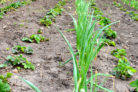
When you’re planting carrots, it’s a great idea to think about companion planting. Carrots love hanging out with members of the allium family—think onions, green onions, or leeks. These plants help keep pests away from each other, which means happier, healthier veggies all around.
Spread your seeds evenly in the furrows and cover them gently with soil. Again, make sure the soil on top is nice and fine; finely sifted compost works perfectly for this.
Carrots can take up to two weeks to finally sprout. During this time, the most important thing is to keep the soil consistently moist. You don’t want the surface to dry out at all. To help hold in that moisture, you can cover the area with a light garden fleece or row cover. This also creates a slightly warmer microclimate, which really helps speed up the germination process.