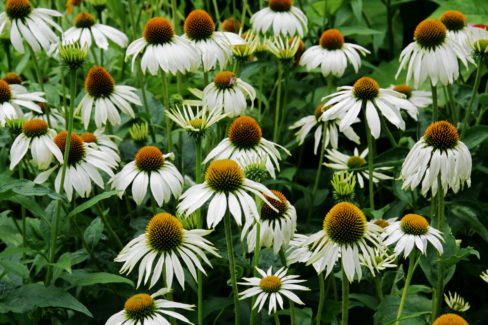
Lots of Coneflowers (Echinacea) have a habit of spreading on their own via their roots. While we love more flowers, this “DIY” expansion can get a little out of hand and leave your garden feeling crowded. That’s why I always recommend taking the reins and propagating them yourself. It keeps your garden tidy and gives you plenty of new plants to share with neighbors!
Propagating Coneflowers
If you want to grow your Echinacea collection, you’ve got three main ways to do it:
- Cuttings
- Division
- Seeds
Cuttings
Propagating Coneflowers from cuttings is pretty straightforward, though it does require a little bit of patience.
Taking the Cuttings
The best time to take your cuttings is in late summer. You’ll want to look for stems that:
- Don’t have any flowers on them
- Have at least three pairs of leaves
Once you’ve spotted the perfect stems, snip them off using a sharp knife or a clean pair of garden shears.
Planting and Aftercare
To give those stems the best chance at rooting, here’s what you need to do:
- Prep a pot with some high-quality seed-starting mix.
- Plant the cuttings about an inch (3 cm) deep.
- Give them a good drink of water.
- Keep the soil consistently moist for the next few weeks.
After about six weeks, your cuttings should have enough roots to move on to the next step:
- Move the little plants into their own individual pots.
- Let them settle in for about a week.
- Pinch off the tips of the shoots to prep them for winter.
- Move them to a cool, frost-free spot indoors.
- Make sure the soil doesn’t completely dry out over the winter.
Once the threat of frost has passed in mid-May, your young Coneflowers are ready to be planted out in the garden!
Division
Since Echinacea actually *needs* to be divided every three years or so to stay vigorous and keep those blooms coming, division is the most “natural” way to get more plants. To get started, you’ll need:
- A garden fork
- A knife
- A spade
- A little bit of muscle!
The perfect time for dividing your plants is in the fall after they’ve finished blooming. Just follow these steps:
- Carefully dig up the Coneflower clump with your garden fork.
- Divide the root ball (you can do this by hand, or use a knife or spade for tougher roots).
- Fill back in the original hole.
- Replant your new divisions in their new sunny spots.
Seeds
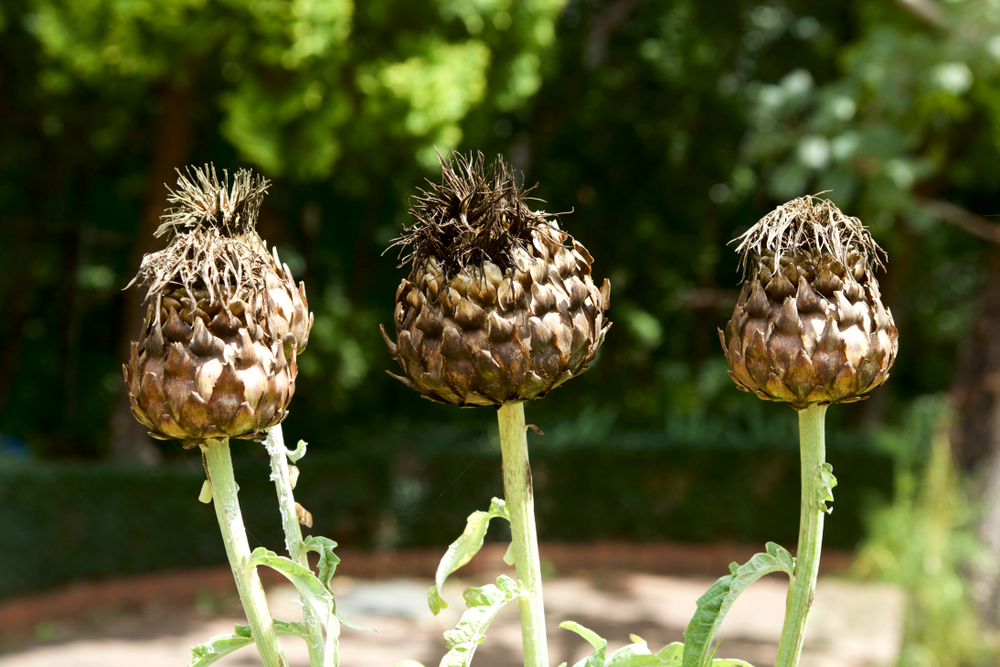
Growing Coneflowers from seed is probably the trickiest method because the seeds can be a bit stubborn to harvest. You can collect seeds from mature flower heads in late summer or fall. The easiest trick? Take your spent flower heads in the fall, put them in a paper bag, and give them a good shake to release the seeds. Let them dry out completely on a tray before storing them, because the actual sowing won’t happen until the following spring.