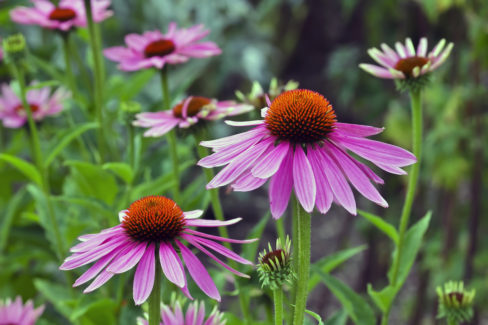
When it comes to Purple Coneflowers (or *Echinacea*, if you want to get fancy), starting them from seed is totally doable, whether you’re sowing them directly in the garden or starting them in pots. Now, if you ask ten different gardeners about their success rates, you’ll probably get ten different answers! But in my opinion, it’s always worth a shot—whether you’re using seeds you saved yourself or a fresh packet from the store.
Direct Sowing in the Garden
If you want to skip the middleman and sow directly into your flower beds, aim for April or May. These beauties really like a germination temperature of around 68°F (20°C). Pro tip: To give your seeds a little “wake-up call,” soak them in a bowl of water for about 24 hours before you head out to plant.
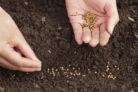
When you’re ready to sow, set up your rows like this:
- Keep them shallow—no deeper than two inches.
- Space your rows about half the distance of the plant’s expected full-grown height.
From there, you have two choices. You can space the seeds individually about 15 inches apart, which is great because you won’t have to worry about thinning them out later.
Alternatively, you can scatter them more freely in the row. If you go this route, you’ll need to “prick out” or thin the seedlings after about two to four weeks. If they stay too crowded, they’ll end up competing for space and won’t grow into the showstoppers they’re meant to be.
Whichever method you choose, cover the seeds with a light dusting of soil and keep the area moist. Also, keep a close eye out for slugs and snails—they think these tender young sprouts are a five-star buffet!
Starting Seeds Indoors
If you’re like me and get the gardening itch early, you can start your Echinacea in pots indoors as early as February or March. The best part about this is that you can ensure every seedling is strong and healthy before they ever hit the dirt outside. Here’s how to do it:
- Fill your seed trays or pots with a good seed-starting mix.
- Space the seeds about an inch apart.
- Cover them with just a tiny bit of soil.
- Give them a good misting with a spray bottle.
- Cover the tray with clear plastic wrap or pop them into a mini-greenhouse.
- Find a warm spot (68-72°F) that isn’t in direct, harsh sunlight.
- Make sure the soil stays consistently moist while they’re germinating.
Once you see those first “true leaves” appearing, it’s time to move the little guys into their own individual pots. For the next few weeks, move them to a spot that’s a bit cooler but has plenty of bright light. Once they’ve grown into sturdy little plants and the threat of frost has passed (usually mid-May), they’re ready to be transplanted into your garden.