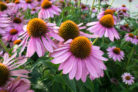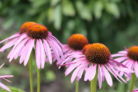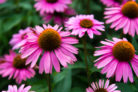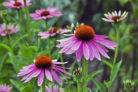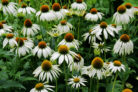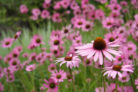
Coneflowers (botanically known as Echinacea) are some of the most low-maintenance beauties you can add to your garden. That said, if you want them to really thrive, a little pruning goes a long way. Clearing out those old stems isn’t just about tidying up; it clears the path for fresh growth in the spring and makes sure your new blooms aren’t stuck in the shade of last year’s leftovers.
Pruning Your Coneflowers
To keep your coneflowers looking lush and blooming like crazy year after year, regular pruning is key. Don’t worry—you don’t need to be a master topiary artist for this! There’s no complicated shaping involved with Echinacea. Pruning these perennials is actually super straightforward, as long as you keep two things in mind:
- Cutting height
- Timing
Cutting Height
How low you go depends on how long your plants have been in the ground:
- Young coneflowers (up to four years old): Cut them back to about 6 inches (15 cm) above the ground.
- Mature coneflowers (four years and older): You can cut these right down to ground level.
Timing
The best time to prune your coneflowers is either in the spring or the fall. Here’s the breakdown of both options:
Spring Pruning
Waiting until spring to cut back your Echinacea has some great perks:
- The old stems and foliage act as a natural winter mulch, protecting the crown of the plant.
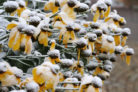
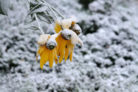
- Dried seed heads look beautiful in a frosty winter garden and provide food for local birds.
If you choose the spring route, make sure to get out there early—right before the new green shoots start to emerge.
- ## Fall Pruning
If you prefer a tidy garden before winter hits, you can prune them in the fall once the blooming season is over. This is also the perfect time to harvest seeds from the dried flower heads if you want to propagate more coneflowers for next year.
The Technique
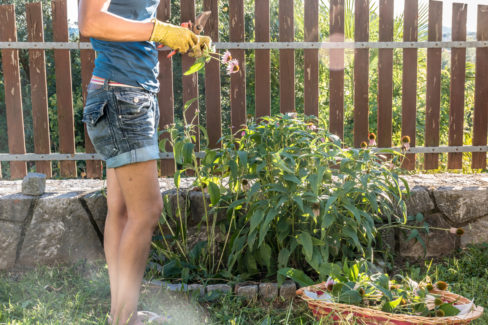
The easiest way to get the job done?
- Gather the stems together in a bundle with one hand.
- Snip them all at once with the other.
Once you’re done, just make sure to clear away any debris from the base of the plant to keep things healthy.
Deadheading
During the blooming season, it’s a great idea to “deadhead” (cut off) any wilted flowers. This encourages the plant to keep producing new blooms instead of putting all its energy into making seeds. If you’re planning on a full fall pruning anyway, you can leave the very last round of flowers alone.
Cutting for the Vase
Coneflowers make fantastic cut flowers! Depending on the variety, they can last for weeks in a vase. For the longest-lasting bouquet, try to cut them in the morning once the dew has dried off the flower heads.
Harvesting as a Medicinal Herb
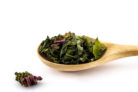
If you’re growing Echinacea for its medicinal properties, you’ll want to harvest the plant while it is in full bloom.
The Right Tools
No matter why you’re cutting, always use a clean, sharp pair of garden shears. It makes the work much easier and, more importantly, prevents the spread of garden diseases from plant to plant.