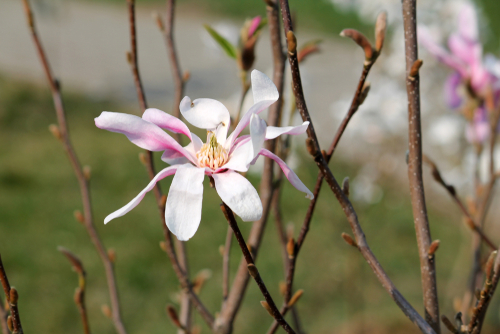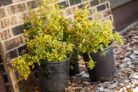
Daphne (Seidelbast) is a total garden favorite, and it’s easy to see why! Between its low-maintenance attitude and those stunning, fragrant blooms, it’s a real showstopper. If you’ve fallen in love with yours and want more of them scattered around your yard, the good news is that you can actually propagate them yourself.
Different Ways to Propagate Daphne
There are a few different ways to get more Daphne plants started. Depending on your patience level and gardening experience, you can choose from:
- Growing from seed
- Layering (the “drop and root” method)
- Taking cuttings
- Grafting
Growing from Seed
If you’re looking for the easiest and most reliable way to multiply your Daphne, seeds are the way to go. You can pick up a packet at your local nursery, or better yet, harvest them right from your own garden. Once those beautiful blooms fade, they turn into little red berries where the seeds develop.
You’ll know the seeds are ready when the berries turn a bright, vibrant red—usually around August. Just gather the ripe berries and pop the seeds out. Give them a little time to dry out slightly, then tuck them into small starter pots with some good seed-starting mix. You can also sow them directly into your garden beds. After a winter chill (nature’s way of stratifying the seeds), you’ll see new little sprouts popping up in the spring!
Propagation by Layering
Many Daphne varieties are actually pretty proactive and will “layer” themselves. This is when a branch touches the ground and decides to grow its own roots. If you see this happening, you can simply snip it from the parent plant and move it to a new home.
If your plant isn’t doing the work for you, you can help it along. Just take a flexible, low-hanging branch, bend it down to the soil, and make a tiny little nick in the bark where it touches the ground. Cover that spot with a bit of dirt. After a while, it’ll develop its own root system. Once it’s established and showing new growth, you can cut it away from the “mother” plant and transplant it.
Taking Cuttings
I’ll be honest with you: growing Daphne from cuttings can be a bit of a gamble. They aren’t the most eager rooters, and it’s common for only a few to actually take. But if you’re feeling lucky, give it a shot! Take a few healthy stem cuttings and place them in pots filled with moist potting soil. Keep them damp (but not soggy). With a little patience and a bit of luck, you’ll eventually see new leaves and roots forming.
Grafting
Some specific types of Daphne are usually propagated through grafting. However, this method is pretty technical and time-consuming. It’s usually best left to the pros or very experienced gardeners, as it requires a bit more “plant surgery” than the other methods!