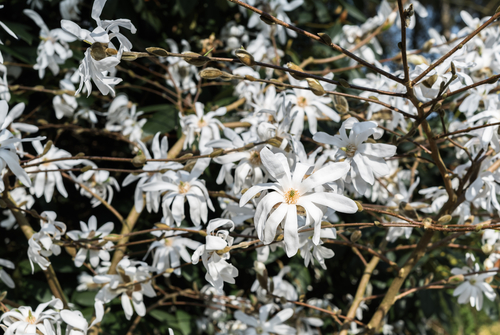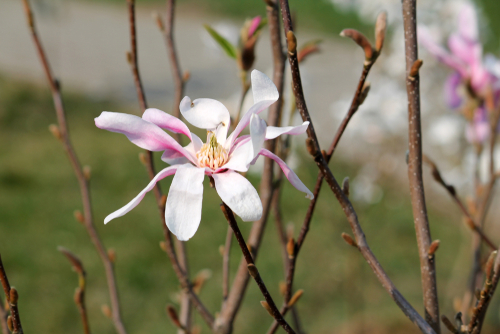
Those stunning, star-shaped blooms make the Star Magnolia a total showstopper, so it’s no wonder so many of us want more of them in our yards! If you’re looking to propagate your existing tree, you’ve basically got three ways to go about it: layering, cuttings, or starting from seed.
Propagating via Layering
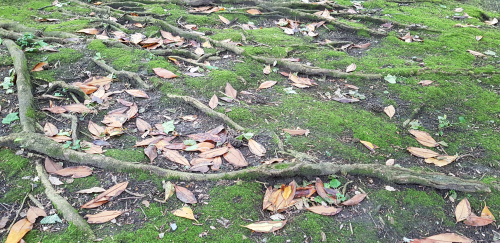
Layering is by far the easiest way to get a new Star Magnolia started, and it doesn’t take much work at all. The only catch? You need at least one low-hanging branch that can reach the ground. Here’s how you do it:
- Pick out a flexible, semi-woody branch.
- Strip off the leaves and give the bark a tiny little nick with a clean knife.
- Loosen up the soil right under the branch and dig a small trench about 6 inches deep.
- Pull the branch down into the trench and cover it with soil.
- If the branch keeps popping out, just weigh it down with a heavy stone.
- Make sure the very tip of the branch is still peeking out above the ground.
- Give it a good drink of water.
To give those new roots a little boost, try mixing some compost into the soil. Once the branch has established a solid root system of its own, you can snip it away from the parent plant and get it in the ground elsewhere. Fall is usually the best time to start this process.
Using Cuttings
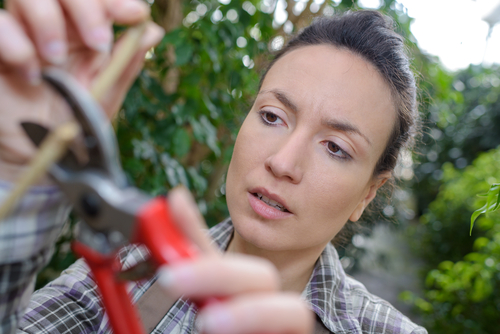
Another option is taking cuttings from your magnolia. It’s a pretty straightforward method, but I’ll be honest: it can be a bit hit-or-miss. Star Magnolia cuttings are notorious for taking their sweet time to develop roots. If you want to give it a shot, you can take your cuttings in either the spring or the fall.
Growing from Seed
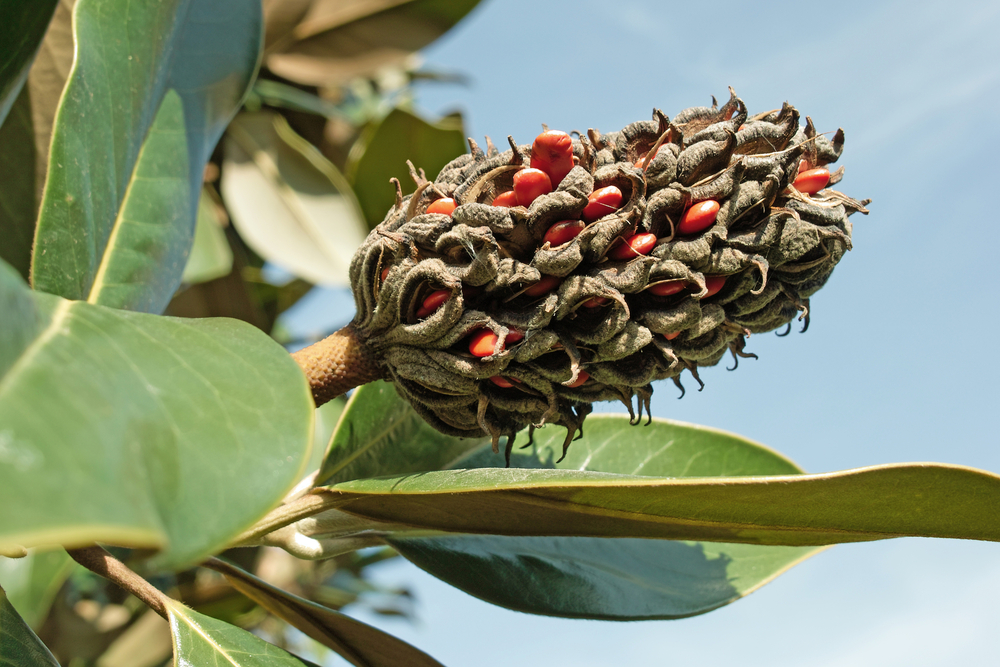
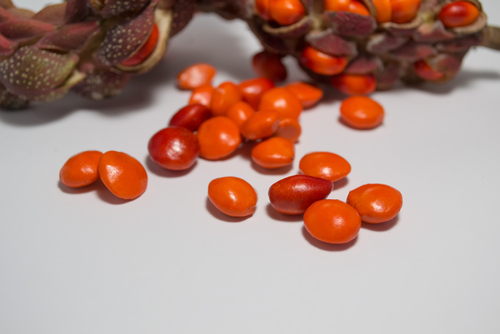
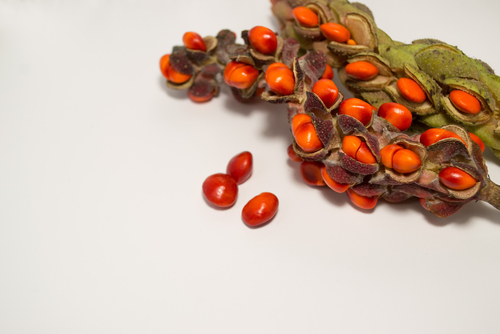
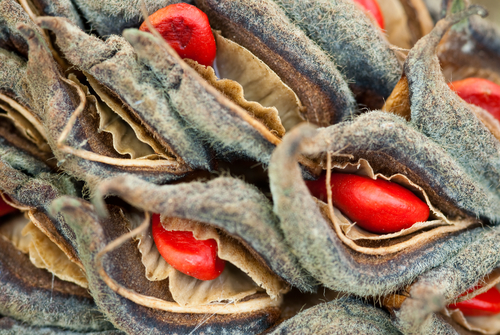
The third route is growing Star Magnolias from seed, but fair warning—this is definitely the “slow and steady” approach. Getting them to germinate can be a bit of a gamble, and it can actually take up to three years for them to sprout! Since these seeds need a cold snap to wake up (a process called stratification), you’ll want to clean off that red outer coating and keep them in the fridge over the winter. Come springtime, soak the seeds in water for two days before planting them in some high-quality seed-starting mix.