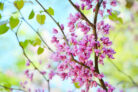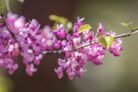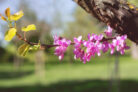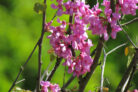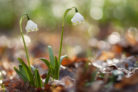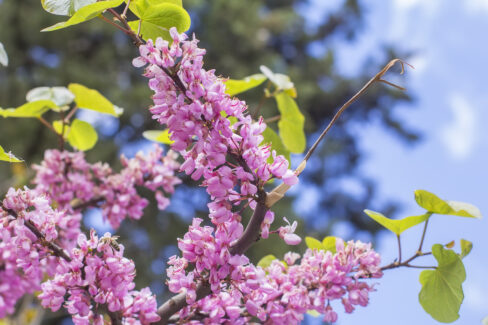
When you find the perfect spot and give it a little TLC, Daphne (also known as February Daphne or Mezereon) rewards you with a stunning explosion of blooms. It’s not just a treat for the eyes, either—it’s a major hotspot for bees and other pollinators. Plus, it’s one of the very first plants to wake up in the spring!
Setting the Stage for Beautiful Blooms
Daphne isn’t exactly a high-maintenance diva. As long as it’s happy with its location and gets enough water and nutrients, it’ll show its gratitude every year with a spectacular floral display.
A Closer Look at the Flowers
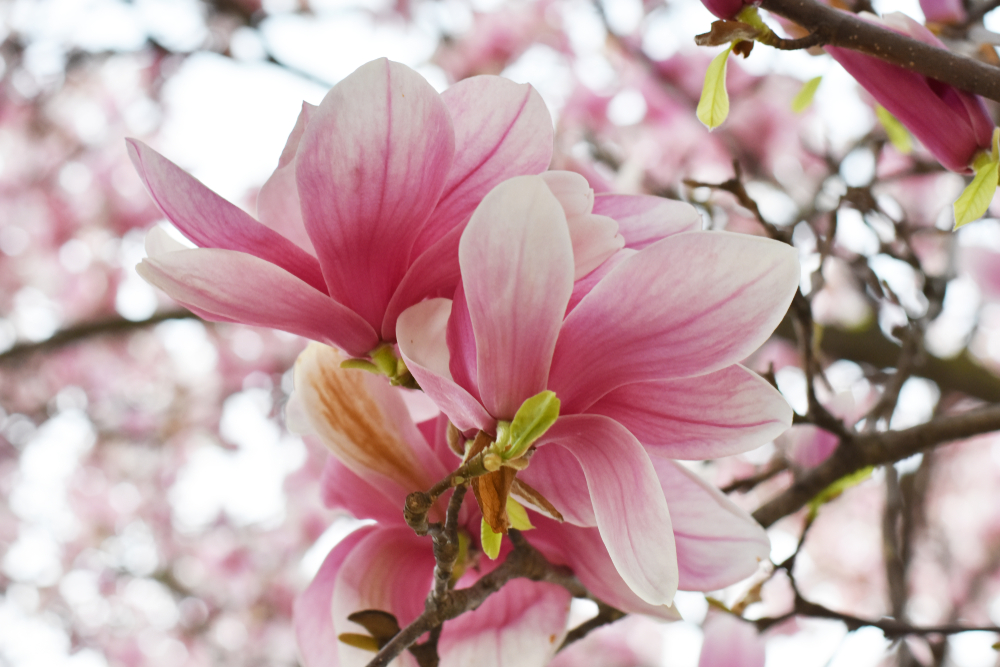
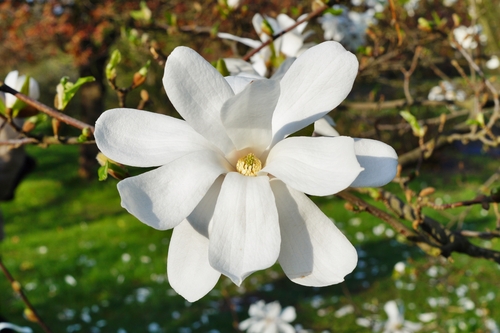
Daphne blossoms usually start out with a delicate pink glow before fading into a crisp, pure white. Like many of our favorite early spring bloomers, these flowers often pop up on the bare branches before the green leaves even make an appearance.
When Does it Bloom?
The magic usually starts in the very early months of spring. While the exact timing can vary a bit depending on the specific variety you have in your garden, you can generally expect to see flowers anytime between February and April.
A Feast for Birds and Bees
Those gorgeous flowers are more than just pretty faces; they’re a vital food source for birds and insects. Because bees are so drawn to them, many beekeepers love using Daphne as a “bee pasture” to help their hives get a head start on the season.
From Flowers to Fruit
While the bees are busy snacking, they’re also doing the important work of pollination. Once the flowers fade, they transform into small, bright red berries that typically ripen between July and August.
A quick word of caution: These red berries are definitely not for snacking! They are toxic to humans, and even a tiny amount can cause nasty symptoms like stomach pain, nausea, and vomiting. However, they are a favorite treat for birds and can also be used if you want to try propagating your Daphne to grow even more plants.
Pruning for More Flowers
To keep that flower power going strong, location and fertilizer aren’t the only things that matter. Since new flower buds form on the old wood, a light pruning right after the blooming season can encourage the plant to push out fresh new growth. Just keep in mind that if you prune right after flowering, you’ll likely be cutting off those developing red berries!