Peppermint is a total superstar in the garden—whether you’re using it for a refreshing homegrown tea, medicinal remedies, or as a zesty kitchen spice. The best part? It’s incredibly easy to grow in a garden bed or even a balcony container. If you want a never-ending supply, the secret is knowing how to propagate it.
How to Propagate Peppermint
There are a few different ways to get more mint for your buck. Here are the most common methods:
- Growing from seed
- Taking cuttings
- Using runners or offshoots
- Dividing the plant
Growing from Seed
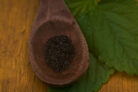
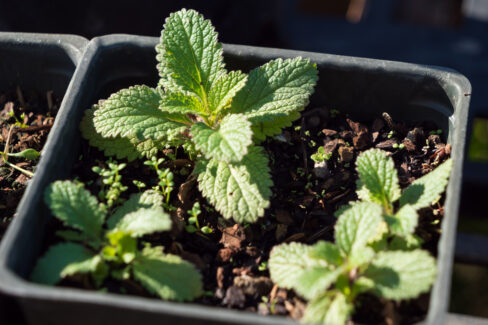
You can get a head start as early as February by starting your seeds indoors in seed trays filled with herb-specific potting soil. Just sprinkle the seeds on top of the soil, but don’t bury them! Mint seeds are “light germinators,” meaning they need light to wake up. Keep the soil consistently moist. To create a cozy, humid environment, you can cover the tray with plastic wrap—just be sure to lift it once a day to let in some fresh air and prevent mold. You should see sprouts in about three weeks, at which point you can ditch the plastic. Once they’re big enough, thin them out into individual pots and keep them on a sunny windowsill until mid-May. Once the threat of frost has passed, your babies are ready for the garden or a large outdoor planter.
Using Runners (Offshoots)
In the fall, you can take rooted runners from your main mint plant and cut them into pieces about 8 inches long. The trick here is to make sure every piece has at least three “nodes” (the little bumps where leaves and roots grow) along with some existing roots. Plant these into individual pots with good veggie soil and keep them somewhere warm—a mini windowsill greenhouse is perfect for this. Peppermint loves that warm, humid vibe! They’ll take root and even provide you with some tasty leaves throughout the winter. By May, these new plants will be strong enough to move outside.
Taking Cuttings
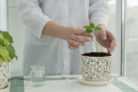
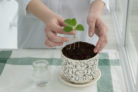
Propagating via cuttings is a great summer project. Simply snip off a few 4-inch tips from the stems (we call these “tip cuttings”) and strip off the bottom leaves. Pop the stems into a glass of water and wait for the magic to happen. Once you see a healthy cluster of roots developing, you can pot the young plant into some herb soil.
Division
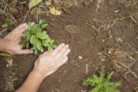
Every two years or so, it’s a good idea to divide your peppermint. The best time to do this is in September once the flowering season is over. Dig up the entire root ball and use a spade to slice it right down the middle. Now you’ve got two plants! Replant them in a spot they’ll love—somewhere with partial shade, moist soil, and a bit of protection from the wind.