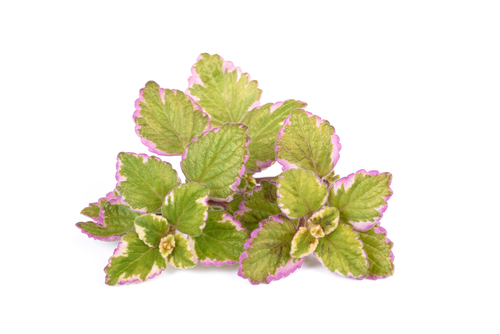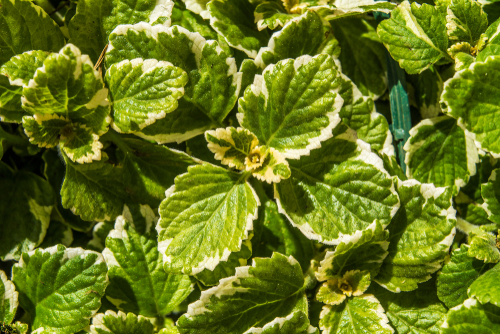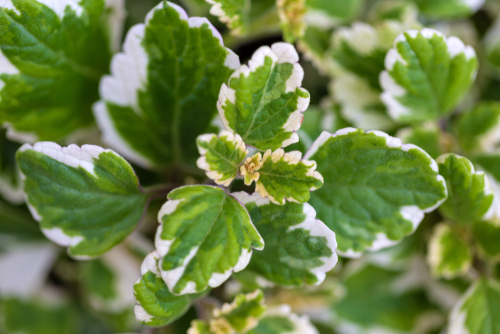
Plectranthus—or as most of us call it, the Swedish Ivy or Incense Plant—is a total rockstar for balcony boxes and hanging baskets. With those long, bushy trails, it’s the perfect “curtain” to hide a plain railing or a boring exterior wall. If you’ve fallen in love with its lush look, you’ll be happy to know that propagating it is super easy, even if you’re just starting your gardening journey. These plants are incredibly low-maintenance and hardy.
Propagating via Cuttings
If you have an Incense Plant growing in your garden or on your patio, it’ll likely have long, gorgeous trailing stems by mid-summer. These are perfect for making new plant babies! All you have to do is snip them off and pop them into some nutrient-rich, well-watered soil. Before you know it, they’ll sprout roots and be ready for their own pots. Here’s your step-by-step guide:
- Pick out a strong, healthy young stem.
- Snip off a piece about 8 inches long, cutting just above a leaf node.
- Prep some starter pots with high-quality potting mix.
- Stick the cuttings into the soil—I recommend putting a few in each pot for a fuller look later on.
- Give them a good drink and keep the soil consistently moist.
- Place your pots in a bright, warm spot, but keep them out of direct, scorching sunlight.
- Once you see new growth (a sign that roots have formed), you can move them into larger pots.
- Make sure to overwinter your young plants indoors in a frost-free spot.
- Come next spring, your new plants will be ready to take center stage in your outdoor containers!
Growing from Seed
Now, if you’re looking to grow these from seed, I’ll be honest: finding the seeds is the hardest part! They aren’t usually sitting on the shelf at your local big-box store. You might have better luck at specialty nurseries, seed swaps, or online. If you do get your hands on some, grab some seed-starting trays and some light seed-starting mix, and follow these steps:
- Don’t be stingy with the seeds; sow them fairly thickly since not every single one will germinate.
- Cover them with just a very thin layer of soil.
- Use a spray bottle to mist the soil gently.
- Be careful not to overwater—standing water will cause the seeds to rot before they even start.
- Keep the trays in a nice, warm location.
Once the seedlings pop up, give them some time to grow into sturdy little plants. When they look strong enough, you can “prick them out” (carefully transplant them) into their own individual pots. Be gentle! Those tiny roots are super delicate. Keep the youngsters in a bright spot, but ease them into direct sunlight slowly so they don’t get sunburned.
Water your new plant babies sparingly. You won’t need any fertilizer for the first few months, as the starter soil usually has plenty of nutrients to get them through their “infancy.”