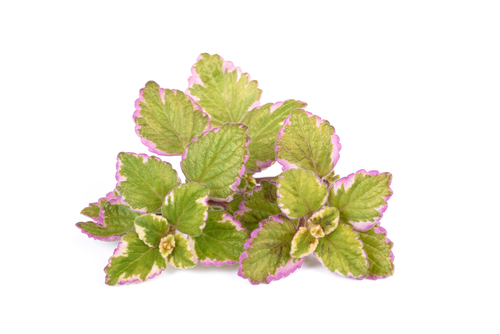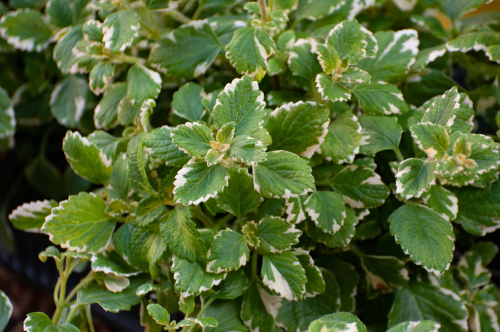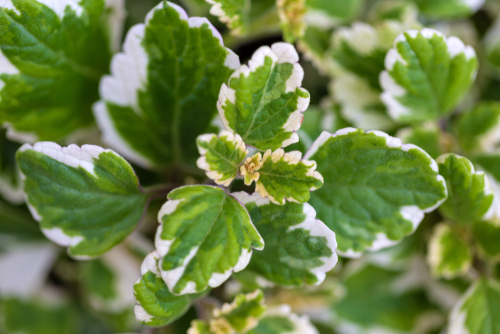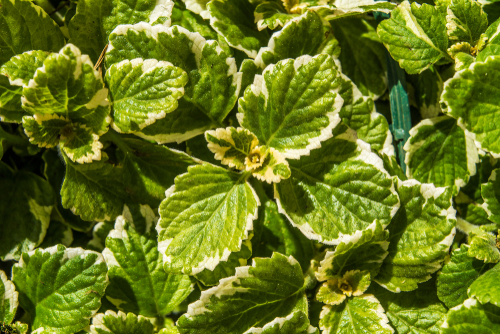
The Swedish Ivy (often called the Incense Plant) originally hails from Eastern India, but you’ll also find it growing wild across parts of Asia and Africa. Since it’s an evergreen tropical beauty, it definitely doesn’t have a “winter coat”—meaning it’s not hardy at all when the temperatures drop.
Caring for Swedish Ivy in the Winter
With its lovely, fragrant leaves and long, trailing vines, this plant is a total superstar in balcony boxes or hanging baskets. Most gardeners treat it as an annual because it starts to get grumpy and damaged the moment temperatures dip below 60°F.
However, just because it’s not frost-hardy doesn’t mean you have to toss it! You can absolutely overwinter it. If you pull it off, you’ll be rewarded with those tiny, pale tubular flowers again next summer. Just a pro tip: I’d only recommend overwintering it for about two years. After that, the plant tends to get “leggy” and woody, losing that lush look we love.
How to Overwinter Your Plant
To keep your plant happy until spring, here’s what you need to do:
- Pick a bright spot that is strictly frost-free.
- Keep the temperature steady—don’t let it drop below 60°F.
- Great spots include a bright hallway, a finished garage, or a heated greenhouse.
- Give it a good trim in the spring to encourage new growth.
- Don’t move it back outside until temperatures are consistently in the high 50s or 60s and the threat of night frost is long gone.
When picking a winter home for your plant, keep in mind that its signature scent stays strong all year round. Some people find the smell a bit intense indoors! You can definitely keep it as a houseplant in your living room, provided you enjoy the aroma. Just remember that if it spends all winter in a cozy, warm room, you’ll need to “harden it off” (slowly acclimate it) to the outdoor air once spring arrives.
Planting Out in the Spring
Since this plant is a total “warm weather only” type, you have to wait until the very last frost has passed before moving it back outside—usually around mid-May. Before it makes its grand debut on your patio or balcony, give it a nice haircut. The best part? Those trimmings can be used as cuttings to grow brand-new plants! It’s the perfect way to keep your collection going, especially since the mother plant will start looking a bit tired after a couple of years.