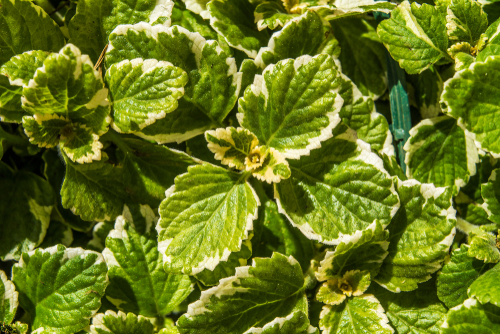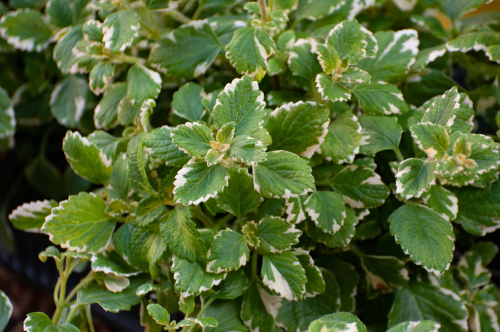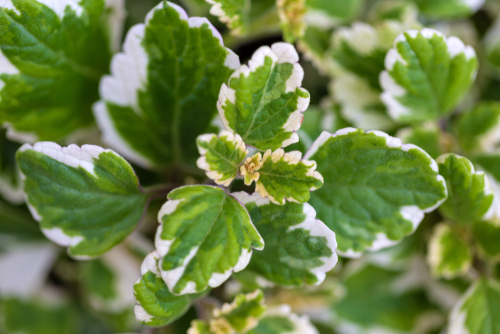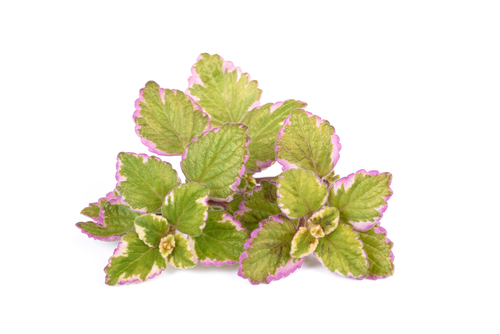
Plectranthus (often called Swedish Ivy or False Incense) originally hails from the warm climates of India, which means it’s a total wimp when it comes to the cold. Just one chilly night is enough to make the leaves go limp, turn mushy, and drop off. Because of this, most gardeners just treat it as an annual, but you can actually keep it going year after year if you know the tricks to overwintering it!
Keeping Your Plant Happy in Winter
This fragrant beauty is super sensitive to the cold. Once temperatures dip toward 50°F (10°C), it’s time to bring it indoors—usually around October. For the winter months, your plant will be happiest in a spot that stays between 50°F and 55°F. A bright stairwell or a heated greenhouse is perfect. Here’s your quick winter to-do list:
- Move it inside by October.
- Trim back any excessively long, leggy shoots.
- Find a bright, frost-free spot. A garage with windows or a hallway works well, especially since the scent can be a bit overpowering for a small bedroom or living room.
- Keep the root ball from drying out completely, but water very sparingly.
- Skip the fertilizer for now.
- Don’t even think about moving it back outside until March at the earliest, and only if the nights are frost-free.
Post-Winter Care
Once daytime temps are consistently above 50°F, you can start acclimating your plant back to life on the balcony or patio. Take it slow! Avoid harsh, direct sun and extreme heat right away. Remember, late frosts can sneak up on us through May, so it’s safer to bring your plant back inside at night until the “Ice Saints” (mid-May) have passed and the threat of a freeze is truly gone.
Before it makes its permanent summer move to the garden, give your plant a fresh start by repotting it. If it’s living in balcony boxes or hanging baskets, swap out the old soil for fresh stuff. These plants aren’t picky—standard potting soil mixed with a little compost works wonders. Since fresh soil is already packed with nutrients, you won’t need to fertilize right away. Just keep the watering moderate at first to let the plant ease back into its growing routine.