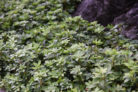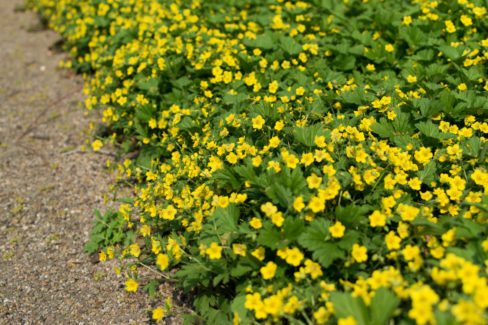
The Barren Strawberry (*Waldsteinia ternata*) is a member of the rose family, and if you’re looking for a reliable, low-maintenance groundcover, this is your new best friend. It’s a low-growing, evergreen perennial that brightens up the garden with cheerful yellow blooms from April through June. Often called “Gold Strawberry” because of its decorative foliage, this plant is a vigorous grower, making it perfect for filling in those empty garden spots in no time.
- Propagating Your Waldsteinia
This hardy, winter-tough plant comes in a few varieties. *Waldsteinia ternata* spreads via underground rhizomes (creeping roots), while *Waldsteinia geoides* is best multiplied through division. While you *can* grow them from seed, it’s definitely not the most common way to go.
Growing from Seed
To be honest, collecting seeds from your own Barren Strawberries is a bit of a headache. If you really want to go the seed route, your best bet is buying them at a garden center. However, they aren’t always easy to find because starting them from scratch is pretty labor-intensive. Most gardeners (myself included!) prefer to just grab some young starter plants from the nursery to get a head start.
Propagation by Division
Dividing your plants is a super effective and easy way to get more “bang for your buck.” Here’s how you do it:
- The best time to divide is in the spring or fall.
- Dig up an existing clump, making sure to give the roots plenty of space.
- Use a sharp spade to slice the rootstock into two or more sections.
- Make sure each new section has enough healthy buds.
- Dig planting holes at your new location.
- To give them a boost, toss a handful of compost or organic fertilizer into the hole.
- Set the rootstock in, fill with soil, press down firmly, and give it a good soak.
- Pro tip: During their first winter, give them a little extra protection with some evergreen branches to keep the frost at bay.
Propagation by Runners (Offsets)
The Barren Strawberry is a natural traveler—it constantly sends out runners that can quickly cover a large area. You can easily snip these offsets away from the “mother” plant and move them to a new spot. To help the new plant take hold, give it a little fertilizer and plenty of water. Just a heads-up: make sure your soil drains well. While these plants love a drink, they absolutely hate “wet feet” (standing water).