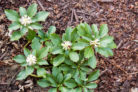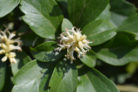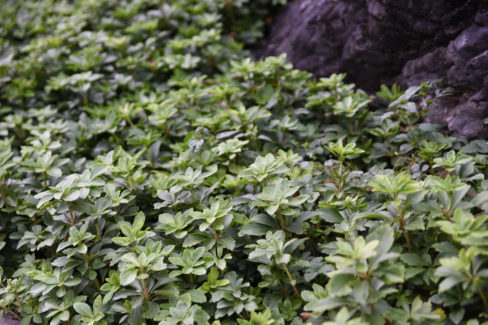
The popular Japanese Spurge—often sold as Pachysandra or *Pachysandra terminalis*—is a real workhorse in the garden. If you have a shady spot where nothing else seems to grow, this hardy groundcover is your best friend. Once it’s happy in its environment, it usually takes off and spreads all on its own.
Propagating Your Pachysandra
If you don’t want to wait for your Japanese Spurge to spread naturally, you can easily give it a little nudge. There are a few different ways to propagate it:
- Seeds
- Runners (Offsets)
- Division
- Cuttings
Growing from Seed
Pachysandra blooms in April and May and produces seeds afterward. However, most plants you buy at the nursery are hybrid varieties, which means they don’t produce viable seeds. Because of this, starting from seed usually isn’t an option for home gardeners.
Propagating via Runners
The rhizomes of the Japanese Spurge spread underground, sending up new runners everywhere. You can simply “dig and snip” these from the root network and move them elsewhere. Here’s how to do it:
- First, use a spade to sever the runners from the main plant.
- Give them a little “haircut” to get them ready—trim the length of the stems, tidy up the roots, and snip off any extra offshoots.
- Plant the runners in loose, well-draining soil that isn’t too heavy on nutrients.
- Give them a good soak right after planting.
- Keep watering them regularly until the young plants have established themselves.
Propagating by Division
In the spring or fall, you can easily divide your existing plants. Just dig up a clump of Pachysandra (roots and all) and split it in half with a spade. Make sure each piece has enough “eyes” (growth nodes or buds) to thrive. Replant the sections in loose soil and water them in. You’ll need to keep the soil moist until they take hold, but be careful not to overwater—standing water can lead to root rot or fungal issues.
Propagating from Cuttings
In early spring or at the start of fall, you can take cuttings about 4 inches long. Strip off the lower leaves and any flower buds, then simply tuck the stems into loose, low-nutrient soil. If you keep them consistently moist, they’ll develop new roots in no time. This is a fantastic, budget-friendly way to quickly green up those large, shady patches under trees or shrubs!