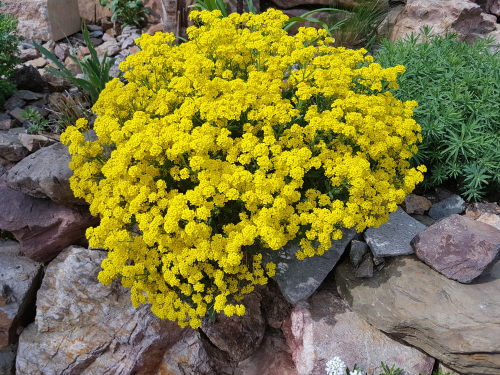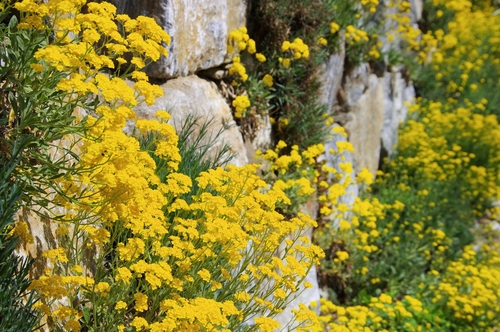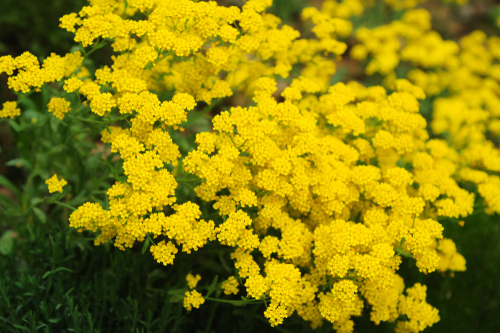
Basket-of-Gold (Alyssum) isn’t just a stunner with its vibrant yellow blooms; it’s also one of the most easy-going, low-maintenance plants you can add to your garden. That said, even the most “set it and forget it” plants need a little haircut now and then. If you want your Steinkraut to stay looking its best, there are a few times a year you’ll want to grab your shears—especially in the fall.
Preventing Leggy, Woody Stems
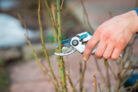
The main reason to prune in the fall is to keep your plant from getting “woody.” As Steinkraut grows larger, the base tends to turn into hard wood, which stays permanently bare and brown. To keep it lush and green, I recommend cutting the plant back by about a third of its height in autumn. This prevents those bald spots and keeps the growth nice and compact.
The Summer Trim
Typically, these beauties bloom from April through June. But here’s a pro tip: if you give them a quick trim (taking off about a third) right after that first flush of flowers, you can often trigger a second bloom in late summer! You’ll get another splash of yellow from August through September.
Just a heads-up: if you have older plants, they might not have the stamina for a second round. If your plant is struggling to bloom at all, skip the heavy summer pruning and focus on some light fertilizer and a little extra TLC to get its strength back up.
Other Reasons to Prune
Beyond preventing woodiness and chasing a second bloom, there are a few other reasons you might want to tidy up your Steinkraut:
- Removing any diseased or dead stems
- Preventing it from self-seeding all over the yard
- Keeping its spread under control
- Shaping it to fit your garden’s aesthetic
Is Pruning Mandatory?
If you don’t mind a few bare spots or a more “wild” look, you don’t strictly *have* to prune Steinkraut. However, if you live in a region with particularly brutal winters, keep an eye out. While the plant is generally hardy, it can struggle with extreme cold snaps. In very harsh climates, some gardeners prefer to cut it back significantly or even remove older plants in the fall if they’ve become too weakened to survive the frost.