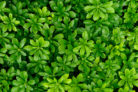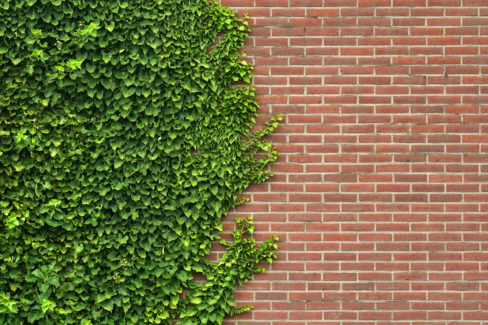
Nobody likes looking at bare patches in the garden. Luckily, English Ivy is the ultimate “gap filler.” It’s perfect for those tricky corners other plants avoid, creating a lush, green carpet in no time. Once it gets settled, this groundcover is about as low-maintenance as it gets.
The Best Spot for Your Ivy
Ivy is one of those rare plants that actually craves the shade. In fact, it can dry out or get scorched if it gets too much direct sun. The only exception? Variegated varieties with colorful leaves. Those need about four hours of morning or evening sun to keep their pretty patterns looking sharp.
As for the soil, ivy likes it moist but not soggy. If your garden bed is super compacted, you’ll want to dig it up deep and mix in some sand or gravel to help with drainage. While you’re at it, clear out any weed roots so your ivy can weave a seamless green rug without any competition.
Quick Heads-up:
English Ivy is highly toxic, so it’s not the best choice for yards where little kids or pets play. The berries are especially poisonous and can look surprisingly edible to curious little ones.
Planting: Timing and the Basics
The best time of year to plant ivy is either in the spring (before the new growth kicks in) or in the fall.
- Give the soil a good soak first.
- Keep a planting distance of about 10 inches (25 cm) between plants.
- Protect young plants during their first winter with a layer of brushwood or evergreen branches to shield them from frost.
Pro Tip:
If you’re trying to cover a large area, you’re going to need quite a few plants. If you already have one healthy ivy plant, you can easily take cuttings to propagate your own new starts for free!
Keeping Your Ivy Happy
Ivy needs a little “TLC” at the beginning, but once it’s established, it pretty much takes care of itself.
- Keep pulling weeds until the ivy has completely filled in the space.
- Give it a regular trim to encourage thicker, bushier growth.
- Make sure to water on hot days; the root zone should never bone-dry.
- Don’t forget to water during dry winters on days when the ground isn’t frozen.
- Fertilizing isn’t strictly necessary, but a little bit won’t hurt.
Safety Tip:
Always wear gloves and long sleeves when working with ivy, as it can cause skin irritation. If you’re using a wood chipper or shredder on the clippings, wear a mask so you don’t breathe in any irritating particles.