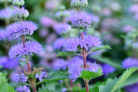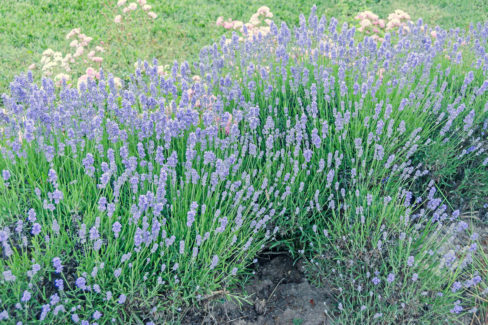
With its stunning blue blooms, the Bluebeard (Caryopteris) is a total showstopper in the late summer and fall garden. But if you want those vibrant flowers to keep coming back year after year, you’ve got to get comfortable with your pruning shears. Don’t worry, though—it’s easier than you think! Here’s everything you need to know about keeping your Bluebeard in tip-top shape.
Should I prune my Bluebeard regularly?
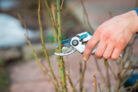
The short answer is: Yes! Bluebeard only produces flowers on new growth (the green stems from the current season). If you let it go too long without a trim, the plant will get woody, leggy, and eventually stop blooming altogether. If that happens, you’ll have to do a “tough love” rejuvenation cut to bring it back to life. To avoid that, I highly recommend a regular pruning routine. The good news? Bluebeard is very forgiving, so even if you’re a little clumsy with the shears, you won’t do any permanent damage.
When is the best time to prune?
The sweet spot for pruning is early spring, right after the threat of frost has passed. This is perfect because you can clear out any winter die-back at the same time, saving you from having to go back and trim it again later. Keep in mind that Bluebeard is only moderately hardy, so it often needs a little cleanup after a cold winter.
Technically, you could prune in the fall, but I’d only suggest that for container plants that need to be tucked away in a tight winter storage space. Since potted plants are usually protected from the worst freezes, they’ll be ready to sprout as soon as you move them back to their sunny spot in the spring.
What should I keep in mind while pruning?
Timing is everything! The later in the spring you prune, the later the plant will start budding. You can actually use this to your advantage to slightly shift the blooming window, which usually falls between August and October.
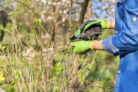
Bluebeard handles a hard prune quite well. If you live in a milder climate, you can cut it back to about a hand’s width above the ground. This encourages the plant to send out really vigorous new shoots. However, you don’t need to go that low every single year. Once you’re done pruning, treat your plant to a little rose fertilizer to give it a boost.
How do I take cuttings?
If you want to propagate your Bluebeard, your annual pruning session is the perfect time to grab some starts! Look for healthy stems that aren’t fully woody yet. Your cuttings should be about two to three inches long.
For the best results, try taking “heel” cuttings—these are the side shoots where a new stem meets an older one. Leave just a tiny bit of the old wood at the base, and make sure the new growth is at least two inches long. These tend to root much more successfully!
The Quick Essentials:
- Bluebeard blooms on new wood, so regular pruning is a must.
- Best time to prune: Early spring.
- Give it a light feeding after pruning.
- Generally, cut back to about one-third of its height.
- If you must prune in the fall, make sure to provide extra winter protection.
Pro Tip: Consistent pruning is the secret to a lush, flower-heavy shrub!