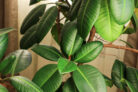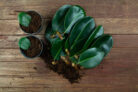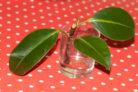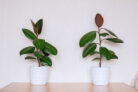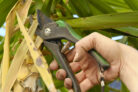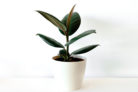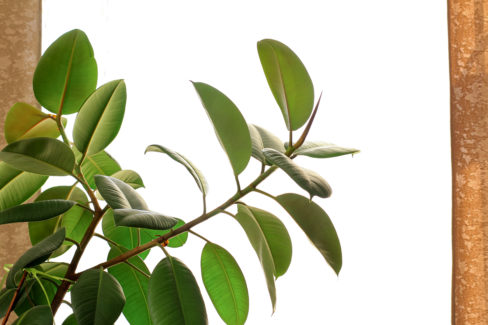
The Rubber Tree (botanically known as *Ficus elastica*) is one of those classic, low-maintenance houseplants that just about anyone can grow. That easy-going nature extends to pruning, too! However, before you grab your shears, there’s one big thing to keep in mind: that milky white sap. It can be a real pain to get out of fabrics and can irritate your skin, so you’ll want to handle it with care.
When to Prune
Technically, you can give your Rubber Tree a quick trim any time of year. But if you’re planning a major haircut, the best time to do it is late winter or early spring. Here’s why:
- The sap flow isn’t as heavy during this time.
- The plant handles the “stress” of pruning much better.
- It’s perfectly timed for the spring growth spurt, meaning your plant will bounce back with plenty of energy.
Of course, if you’re dealing with pests or disease, don’t wait for the calendar—act immediately to save the plant!
Tools and Prep
Before you start snipping, get your workstation ready:
- Protection for your clothes, hands, and the floor or table (remember: that sap stains and stings!).
- Sharp, sterilized pruning shears or a knife (clean tools prevent the spread of disease).
- Paper towels (to dab away the oozing sap).
- A tray or newspaper to catch the clippings.
The Right Technique
Always aim for a clean, smooth cut. If you accidentally crush the stem, make a fresh cut just below the damaged area. Ragged edges or crushed stems are basically an open invitation for pests and diseases.
Where exactly you cut depends on what you’re trying to achieve, but don’t worry too much—Rubber Trees are very resilient and can even handle being cut back into older, “woody” growth.
Why Prune at All?
You don’t *have* to prune a Rubber Tree, but there are a few good reasons why you might want to:
- To encourage branching and a bushier look.
- To manage its size if it’s outgrowing your living room.
- To fix its shape or remove dead growth.
Encouraging Branching
If your Rubber Tree is looking a bit like a “Charlie Brown tree” and you want it to fill out, pruning is the answer. To encourage new branches:
- Cut a few millimeters above a leaf or a “sleeping” bud (those little bumps on the stem).
- Snip the main central trunk at the height you want it to branch out.
- Shorten existing side branches to encourage them to split.
Managing Space
If your plant is hitting the ceiling or taking over the hallway, feel free to be a bit aggressive with your cuts. Pruning it back significantly will give it plenty of room to grow slowly over the next few years.
You can top the main stem wherever you like. For side branches, you have two options:
- Cut them off right at the trunk if you don’t want them to grow back.
- Cut just above the first or second leaf to keep the profile narrow.
Pro tip: Try to keep the plant balanced. If you prune too much off one side, the tree might become top-heavy and tip over!
Fixing Aesthetic Issues
If your tree is leaning, has dead branches, or just looks a bit messy, a quick trim can work wonders. Look for branches that are:
- Growing inward or toward the back.
- Crossing over each other and rubbing.
Aftercare
If the sticky sap just won’t stop dripping after you’ve made your cuts, you can dab the wound with a warm, damp cloth to help it “clot.” It’s also a good idea to use a pruning sealer on larger wounds to keep pathogens out.
Finally, if you pruned your tree to make it bushier, make sure it gets plenty of light. A bright spot is the best way to jumpstart that fresh new growth!