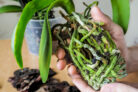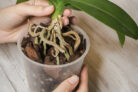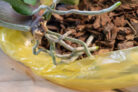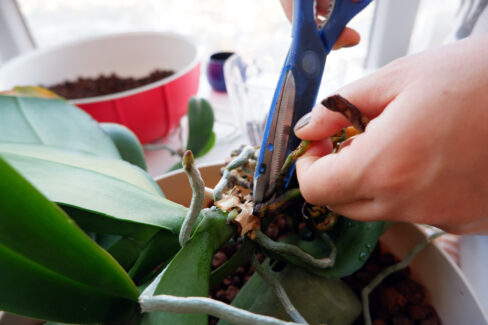
Exotic orchids have a unique way of growing, often sending out long aerial roots that spill over the sides of the pot. While it might be tempting to snip these off to keep things looking tidy, you should definitely hold off on the pruning! These roots are vital lifelines for your plant and should never be cut away just for aesthetics.
Why Aerial Roots Matter
In their native tropical rainforests, most orchids are epiphytes, meaning they grow high up on tree branches. They use those aerial roots to anchor themselves and to soak up moisture and nutrients from the humid air. Even though your orchid is living indoors now, those roots are still doing the heavy lifting to keep the plant hydrated and healthy.
Never Cut Healthy Roots
Because these roots are so essential for nourishment, cutting them off can actually shock your orchid and cause serious damage. If the “wild” look is bothering you, the best solution isn’t the scissors—it’s a new pot! During your next repotting session, you can gently tuck those wandering roots down into the fresh substrate.
Too Many Roots? It’s Time to Repot
If you notice lots of aerial roots escaping over the rim or even poking out through the drainage holes at the bottom, your orchid is sending you a message: it’s officially time for repotting.
Pruning During Repotting
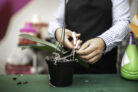
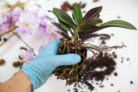
Repotting is the perfect time to give the root system a little “check-up.” While you should leave healthy roots alone, you definitely want to clear out any old, dried-up, or rotting material. Not sure which is which? Here’s a quick guide:
- Healthy roots are firm, plump, and green (especially when wet).
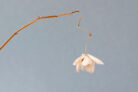
- Dried-out roots look brown or gray and feel papery. If they don’t turn green when misted, they’re dead and can be removed.
- Rotten roots feel mushy or slimy and are usually dark brown or black. These need to go!
Prep the Root Ball with Water
Before you start trimming or moving things around, give the root ball a “bath” in lukewarm water for a few minutes. This makes it much easier to tell the healthy roots apart from the dead ones. Plus, it makes the roots more flexible and less likely to snap while you’re handling them.
What You’ll Need
To do the job right, grab these supplies:
- A clean, sterilized pair of garden shears or a sharp knife.
- A spray bottle filled with water to keep things moist.
- An old blanket or some plastic sheeting to catch the mess.
Disinfecting the Cuts
Always be careful when pruning and make sure your tools are disinfected—this is especially important if you’re cutting away diseased or rotten sections. While healthy roots heal pretty quickly on their own, it’s a great idea to give them a little help. Dabbing a bit of cinnamon or charcoal powder on the cut ends acts as a natural disinfectant and helps speed up the healing process.