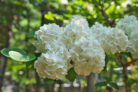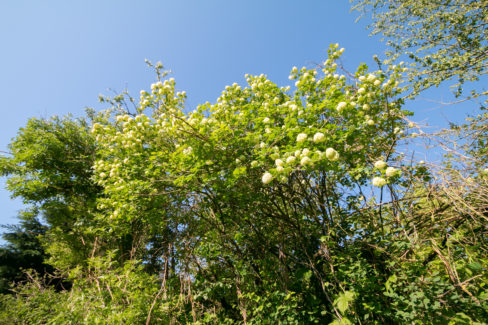
Even though Viburnum (commonly known as Snowball Bush) is pretty tough and handles pruning like a champ, there are a few tricks to getting it right. I’m going to walk you through exactly when your shrub needs a trim, how to do it properly, and which tools you’ll want to have on hand.
When and How Often Should You Prune?
How often you grab the shears really depends on whether you like a wild, natural look or a perfectly manicured shape. Generally speaking, you only need to prune your Viburnum every two to three years, ideally right after it finishes blooming.
The Right Way to Prune Your Viburnum
Viburnums are vigorous growers and bounce back quickly from a haircut. However, try to avoid a “radical” chop-back. If you go too heavy, the plant won’t have enough time to recover before the next blooming season. You’ve basically got two options: a quick maintenance trim every few years or a more precise shaping twice a year.
The Precision Method
If you want your summer-blooming Viburnum to look perfectly tidy, follow these steps:
- In March, before the new growth starts, clip away only the old, woody branches. If you see fresh green shoots starting to pop up, leave those alone!
- Once the flowers fade in the summer, you can be a bit more aggressive. Feel free to take off about a third to a half of the young branches.
For winter-blooming varieties, stick to pruning just once a year after they finish flowering. Just make sure you pick a day when it’s not freezing outside!
The Low-Maintenance Approach
If you’re going for a moderate trim, it’s basically the same as the second step mentioned above. After the flowers are gone, cut back about 30% to 50% of the growth. Pro tip: Start in the center of the bush and work your way out to the edges to keep the shape balanced.
Safety Gear and Tools
You’ll obviously need a good pair of garden pruners or hedge shears, but don’t forget safety glasses! Also, I highly recommend wearing sturdy gardening gloves. Some Viburnum varieties are actually toxic, and those tiny little hairs on the underside of the leaves can really irritate your skin. If you aren’t 100% sure which variety you have, it’s better to play it safe and cover up.