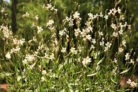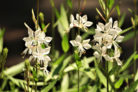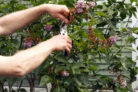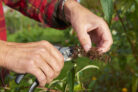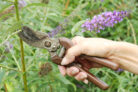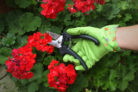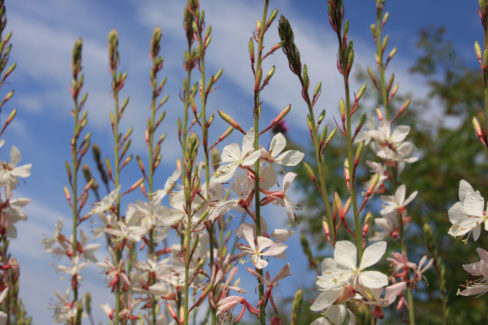
Pruning your Bee Blossom (Gaura) isn’t just about keeping things tidy for winter; it’s the secret to getting that bushy, lush growth and a gorgeous look next season. However, there are a few tips to keep in mind so you don’t accidentally mess with those beautiful blooms.
Deadheading Faded Flowers
When planted in the right spot, Bee Blossoms put on a spectacular show from June all the way through October. The individual flowers are short-lived, though. While they’ll eventually drop off on their own, you can definitely snip or pinch them off regularly if the faded look bothers you. Just be careful not to damage the fresh flowers or the unopened buds nearby!
When is the Best Time to Prune?
Generally speaking, there are two main windows for giving your Bee Blossom a good trim:
- In the fall, before the winter chill sets in.
- In the spring, once the winter weather has passed.
The Fall Pruning (Pre-Winter)
Pruning in the fall before winterizing helps the plant develop winter buds and encourages dense branching once spring rolls around. For this method, don’t just clear out the dead bits—go ahead and cut all the stems down to just a few inches above the ground.
Pro tip: If you want your Bee Blossoms to self-seed and spread around the garden, don’t rush the fall pruning. Wait until the mature seeds have had a chance to scatter before you grab the shears.
The Spring Pruning
If you prefer, you can skip the fall haircut and wait until spring. Leaving the dead foliage intact over the winter actually provides a bit of natural insulation against the frost. If you choose this route, just be extra careful when you finally prune in the spring. You don’t want to accidentally snip off any new buds that have already started forming, as that will definitely cut into your flower power for the season.
Pruning for Cuttings
Besides growing them from seed, you can easily propagate Bee Blossoms using cuttings—which is basically pruning with a purpose! Look for healthy shoots about four inches long. Stick them into starter pots with some good potting soil, keep them in a warm, bright spot, and make sure the soil stays consistently moist. You should start seeing roots developing in just a few weeks.