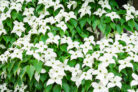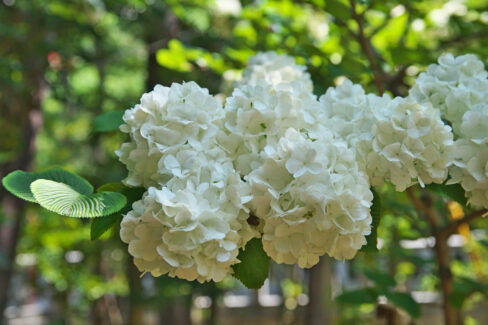
The Japanese Snowball (Viburnum plicatum) is a real showstopper when it’s allowed to grow naturally. However, there are times when you might need to give this beauty a little haircut to keep it looking its best—especially if you’re growing it in a container. But a word of caution: you’ll want to be pretty gentle with those shears. Here are my top tips for pruning your Japanese Snowball without stressing it out.
When does pruning actually make sense?
Most gardening enthusiasts will tell you that the Japanese Snowball looks most stunning when left to its own devices. I tend to agree! However, if you’re growing one in a pot, a light “shaping” cut can be really helpful to maintain an attractive, balanced shape.
The best time to prune your Japanese Snowball
If you’re tending to a container plant, aim for a light annual pruning right after the flowers have faded. This is key because it helps light reach the center of the bush, keeping it healthy from the inside out. Regardless of whether yours is in a pot or out in the garden, you should always snip off wilted blooms and any diseased branches as soon as you spot them.
How to rejuvenate your Japanese Snowball in stages
After about four years, your plant might need a little “fountain of youth” treatment. We call this a rejuvenation prune, but you have to be careful—if you go too heavy, you’ll lose out on those gorgeous flowers.
Here’s the best way to handle it:
- Patience is a virtue! Spread the rejuvenation over three years. Each year, cut back about one-third of the branches. Make sure to thin them out evenly so the shrub keeps its lovely silhouette.
- Timing is everything: Wait until June for this shaping; don’t start in early spring.
- Pruning should focus on the older branches. Leave those fresh, young shoots alone!
- Pro tip: Whatever you do, don’t cut back into the old, thick wood.
- Less is more—only shorten a few branches at a time.
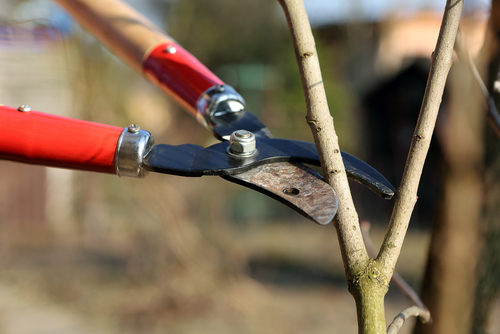
- Always make your cuts just above a “bud eye.”
- Start your work in the center of the shrub and carefully work your way outward.
- You can cut the plant back to about 20 inches (50 cm) if necessary.
- Cleanliness counts! Only use tools and gloves that have been thoroughly cleaned to prevent spreading disease.
- Safety first: Some varieties have tiny hairs on the underside of the leaves that can irritate your skin. I highly recommend wearing long sleeves and pants whenever you’re working with this plant.