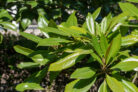
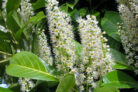
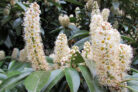
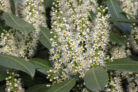
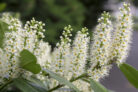
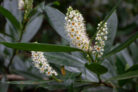
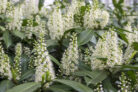
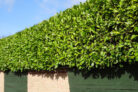
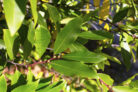
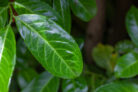
Those glossy, evergreen leaves are the crown jewel of any cherry laurel. To keep them looking their best, knowing how to prune correctly is key. With a few simple steps, you can keep your hedge in perfect shape while boosting its natural growth. Here are my favorite tips and tricks to get the job done right!
How to Prune Your Cherry Laurel Hedge
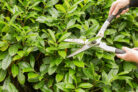
If you want a healthy cherry laurel hedge, you’ve got to start with the right tools. My biggest piece of advice? Stick to the classics. Grab a sharp pair of hand pruners or manual hedge shears. I’d actually recommend staying away from electric hedge trimmers for this one. When you use manual shears, you can make clean cuts. Electric trimmers tend to shred the leaves, leaving half-cut foliage on the plant. Not only does that look messy, but those jagged edges are an open invitation for fungal diseases that can weaken your hedge.
Here’s your pruning kit:
- A sturdy pair of gardening gloves
- Sharp hand pruners (secateurs)
- A bin or tarp to collect the clippings
When you’re ready to start pruning, cut the branches just above a pair of leaves. I like to work from the inside out and from the bottom up. Start by clearing out any dead wood. Then, look for branches that are crossing or growing inward—removing these improves airflow and keeps the plant from “fighting” itself. Don’t be afraid to be a little bold; cherry laurels are vigorous growers and bounce back beautifully even after a heavy cut.
When is the Best Time to Prune?
Most cherry laurels do great with one or two major prunings a year, depending on how fast your specific variety grows. I usually do a big “reset” prune in early spring, and then a second touch-up in late summer if needed. You can do light shaping in between, just make sure you aren’t leaving any mangled leaves behind.
Once you’re finished pruning, it’s the perfect time to feed your plants. I love laying down a layer of bark mulch; it helps hold onto nutrients and releases them slowly over time. It’s like a natural time-release vitamin for your hedge! You can use organic options like mature compost or a store-bought fertilizer. Fun tip: Rhododendron fertilizer actually works wonders for cherry laurels!
What to Do With Those Clippings
Don’t let those leftovers go to waste! If you’re looking to expand your garden, you can actually use some of the healthy cuttings as “steppings” to grow new plants. Otherwise, they can go straight into the compost pile. Just be sure to shred or chop them up first to speed things up. Even though parts of the plant are toxic, cherry laurel is perfectly compostable. The composting process naturally breaks down those toxins, leaving you with great soil for later.