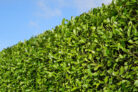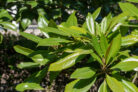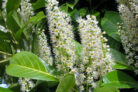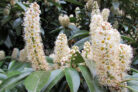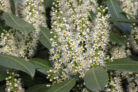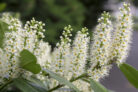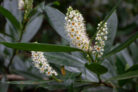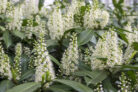
When it comes to pruning your cherry laurel hedge, a little TLC goes a long way. If you get too aggressive or messy with your cuts, these plants can actually get stressed and fall ill. But don’t worry—I’ve got you covered! Here is the lowdown on how to trim your laurel correctly so it stays healthy, lush, and perfectly shaped.
When is the best time to prune?
You can do minor touch-ups on your laurel hedge whenever you see a stray branch, but for the heavy lifting, I recommend two main pruning sessions a year. The first big cut should happen in March. This timing is perfect because it allows the plant to use its spring growth spurt to fill back out. In fact, a good spring pruning actually encourages the plant to grow even thicker! The second round should happen in July. However, a quick heads-up: always check for nesting birds before you start clipping in the summer. If you find a nest, leave that section alone until the birds have moved on. Not only is it the right thing to do, but disturbing nesting birds can actually land you a hefty fine in some areas!
The right tools for the job
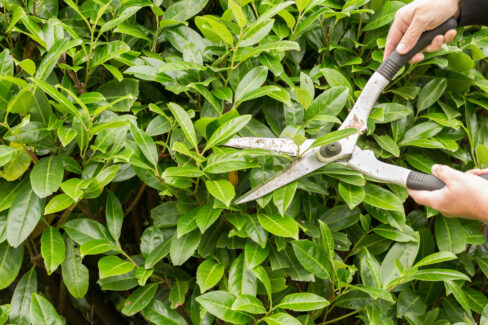
Here’s a pro tip: put down the electric hedge trimmer! I know it’s faster, but electric trimmers tend to shred the leaves, leaving half-cut, ragged edges all over the hedge. These mangled leaves aren’t just an eyesore; they act as open doors for diseases to move in. To keep your hedge safe, stick with a classic pair of hand pruners (secateurs). This allows you to selectively snip individual branches exactly where you want them without damaging the surrounding foliage.
How to do it right:
- Use classic hand pruners.
- Cut branches just above a bud or a leaf.
- Shape the hedge as you go.
Pruning for plant health
If you notice your laurel is looking a bit under the weather or has sickly, withered leaves, a strategic pruning session can actually be a lifesaver. Grab your pruners and cut away any diseased branches or dead leaves entirely. This helps the plant stop wasting energy on “lost causes” and focus its strength on healthy new growth. After a “rescue prune,” you can give the plant a little boost with some fertilizer. Just don’t go overboard—laurels don’t need a ton of feeding. A bit of liquid fertilizer or some natural organic matter works wonders.
Great natural fertilizers for laurel:
- Compost
- Cow manure
- Horse manure
If your hedge is struggling, it’s also a good idea to double-check if the location is right for the plant and that it’s getting the proper care. Sometimes dry leaves are just a sign that the hedge is thirsty or unhappy with its spot. Luckily, cherry laurels are pretty tough customers. If you react quickly when those beautiful green leaves start looking sad, you can usually nurse your hedge back to health in no time!