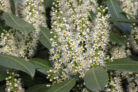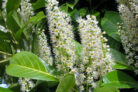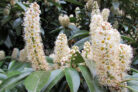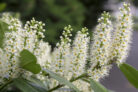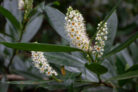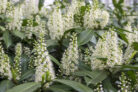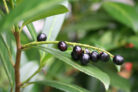
Even though the cherry laurel is originally from Asia Minor, it’s surprisingly hardy and handles our climate here in the States like a pro. It can withstand temperatures down to minus 4 degrees Fahrenheit without breaking a sweat. Because it’s so tough, you’ll see it in gardens everywhere—which means, eventually, it’s going to need a little trim.
No regular pruning required
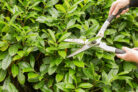
Here’s the good news: cherry laurels don’t strictly *need* to be pruned. If you’ve got the space, you can just let them do their thing and grow naturally. However, these beauties are fast growers. Before you know it, they can easily outgrow the spot where you planted them. To keep them from taking over your yard, you’ll probably want to reach for your garden shears eventually.
Skip the electric hedge trimmers
Even if you’re growing your cherry laurel as a hedge, I’d highly recommend staying away from electric or gas-powered hedge trimmers. Because the leaves are so large, automatic blades tend to shred them, leaving your bush looking ragged and brown at the edges. For a clean, healthy look, always stick to manual hand pruners. It takes a little longer, but your plant will thank you!
When should you prune?
As I mentioned, you don’t have to prune on a strict schedule. That said, there are a few common reasons why you might want to give your laurel a haircut:
- It’s getting too wide or tall for its space
- You need to clear out dead or dried-up wood
- The plant is showing signs of disease
- You notice branches damaged by winter frost
- You want to shape it into a specific form
The great thing about cherry laurels is that they are incredibly resilient. Don’t be afraid to be a bit aggressive—they handle radical pruning very well and will bounce right back.
Timing is everything
So, when is the best time to get to work? I usually recommend early spring, specifically between March and early April. This is the sweet spot right before the new growth starts to sprout. If you miss that window, don’t worry—they can handle a trim later in the season too. However, try to avoid any heavy pruning after July. From mid-summer onward, it’s best to just stick to removing dead branches so the plant can prepare for winter.