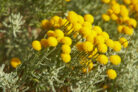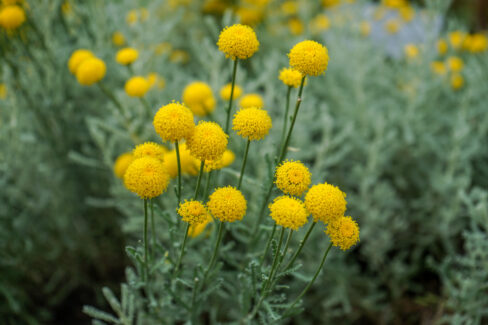
Lavender Cotton—or *Santolina*, if you want to get fancy—is a total triple threat for your backyard. It works as a gorgeous ornamental, a fragrant herb, and a medicinal plant all rolled into one. To keep it looking its best, though, you’ve got to give it a little TLC. Pruning is the big secret here, and while an annual trim is a must, there are a few other reasons you might want to grab your garden shears.
Pruning to Keep Things Lush
Even if you aren’t planning on using your Lavender Cotton for tea or cooking, you still can’t skip the haircut. Without a regular trim, these plants tend to get “leggy”—they’ll start looking woody and sparse in the center and eventually just fall apart. Plus, skipping the prune means fewer of those pretty yellow blooms next year.
- Give the whole shrub a good trim.
- Thin it out a bit to let air circulate.
- Don’t be shy; it handles a heavy pruning quite well.
- Snip off any dead or dried-out branches.
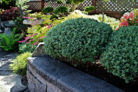
- Shape it into a nice, tidy mound.
The best time to do this is right after the flowering season ends (usually sometime between June and August). Pruning then encourages fresh new growth that has plenty of time to toughen up before the first winter frost hits.
Harvesting for Home Remedies
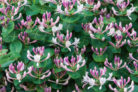
In the world of natural wellness, the healing properties of Santolina are legendary. It’s packed with essential oils, tannins, and resins, which are most concentrated in the flowers. Many gardeners harvest and dry the blooms to use in teas or soothing bath soaks all year long.
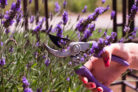
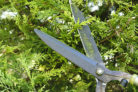
For the best results, wait for a sunny morning after the dew has dried. Snip off the stems when the flowers are in full bloom using clean shears. Bundle them up and hang them upside down in a breezy spot to air dry.
Pro Tip:
The scent of Lavender Cotton is a natural mosquito repellent! Stick a few fresh sprigs in a vase on your patio table, or set out a bowl of dried flowers to keep the bugs at bay while you enjoy your evening.
Propagating with Cuttings
Want more plants for free? Lavender Cotton is super easy to propagate from cuttings. You can do this anytime from spring through summer. Just snip off a healthy stem about 6 to 8 inches long and strip the leaves off the bottom half. Stick it into some potting soil in a bright spot (out of direct sunlight) and give it a little water now and then until it takes root.
Using it in the Kitchen
You can harvest the leaves for culinary use whenever the mood strikes. Whether you need a pinch or a handful, just snip what you need with scissors or pluck the leaves off by hand. It’s a great way to add a unique, herbal punch to your favorite dishes!