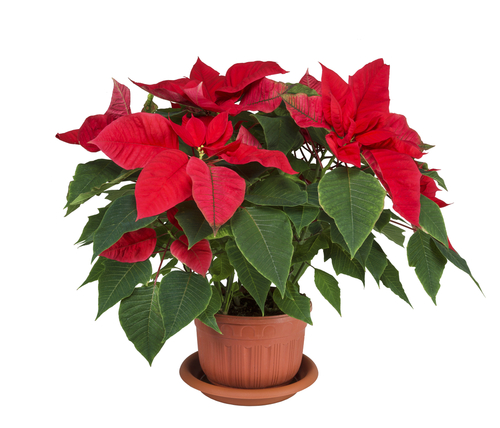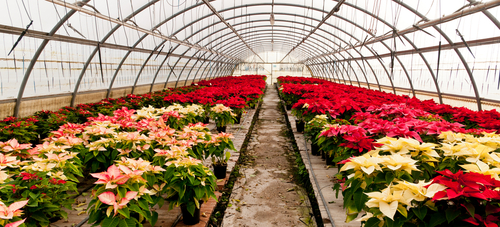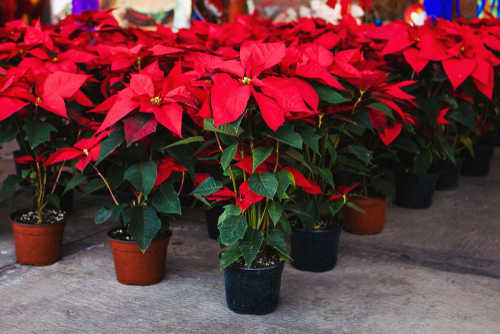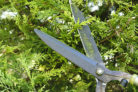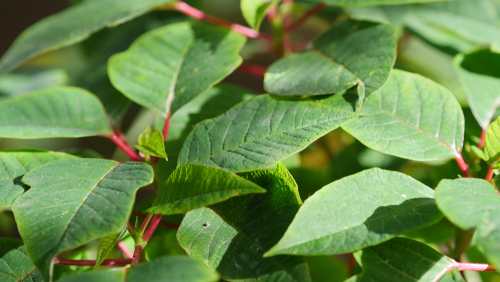
Most folks toss their Poinsettias in the trash once the holidays are over, so they never have to worry about pruning. But if you’re one of those green thumbs who wants to keep your star shining through the summer and get it to bloom again next year, you’ve got to get comfortable with your garden shears!
When and How to Prune Your Poinsettia
Once your plant finishes its “bloom” phase—usually around February or March—it’s time for a haircut. This rest period helps it recover over the summer so it’s ready to show off again by fall. Here’s the game plan for a successful prune:
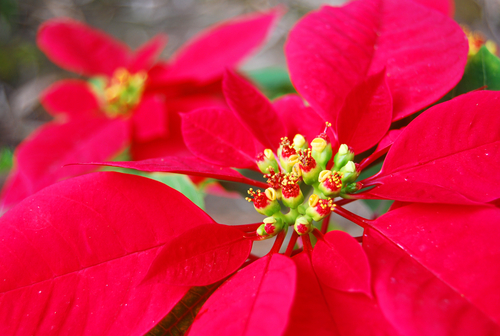
- First, clear away all those old, faded bracts (the colored leaves).
- Snip off any stems that look rotten, dried out, or totally bare.
- Look for “leggy” stems—those long, thin, weak ones that grew while searching for light—and get rid of those, too.
- Finally, cut all the remaining healthy stems back by about half.
Don’t be afraid to cut into the older, woody parts to help shape the plant. Pruning actually encourages the plant to sprout new growth, making it look much bushier and more compact. Just make sure you’re using a clean, super-sharp knife or garden shears. Pro tip: Wear gardening gloves! Poinsettias are part of the Euphorbia family, and they bleed a milky white sap that is sticky and can be irritating to the skin.
Don’t Forget the Roots
While you’re getting your Poinsettia ready for its summer vacation, it’s the perfect time for repotting. Start by gently rinsing the old soil off the root ball. If you spot any roots that look mushy, black, or dried out, trim them back until you hit healthy growth. Damaged roots are usually a sign of overwatering or “wet feet.” To prevent this in the future, add a layer of clay pebbles at the bottom of the new pot for drainage, and only water when the top inch of soil feels dry.
Post-Pruning Aftercare
Once the weather warms up in the spring (consistently in the 50s or 60s), your Poinsettia can move outside to the balcony or patio. Just like indoors, location is everything: it needs a bright, warm spot protected from harsh winds. If that spring sun is feeling a bit too intense, give it some light shade. For now, let the plant relax. Water sparingly only when the soil is dry, and hold off on the fertilizer—fresh potting soil already has all the nutrients your plant needs to get started.
Poinsettias as Cut Flowers
Those vibrant red or pink bracts actually make stunning cut flowers for a vase. To make them last, cut the stems with a sharp knife and briefly hold the ends over an open flame (like a lighter or candle). This sears the end and stops the milky sap from leaking out. By keeping the sap inside the stem, your flowers will stay fresh and perky much longer!