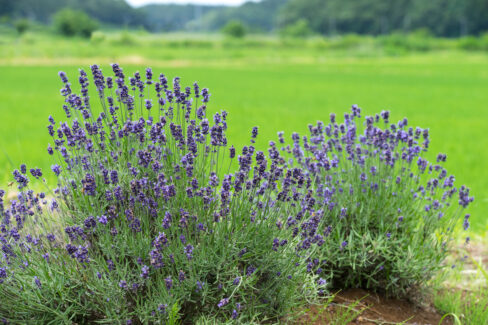
Lavender is one of those plants that actually thrives on a bit of “tough love.” It loves lean soil and isn’t a big fan of high-nutrient environments. Because of that, you really don’t want to overdo it with the fertilizer. However, there are a few times when a little extra boost is exactly what your lavender needs. Here’s the lowdown on how to keep yours happy.
The Perfect Spot for Your Lavender
If you want your lavender to truly flourish, think Mediterranean: dry, sunny, and warm. Lavender isn’t a fan of acidic soil; it much prefers alkaline (sweet) conditions. If your soil is a bit too sandy or acidic, you can mix in some lime or rock flour to get the balance just right.
When you’re first putting your lavender in the ground, it’s a great idea to mix a little compost and a handful of lime into the planting hole. This gives it a solid start. After that, though, you’ll want to dial it back. Generally, established lavender only needs a little “snack” once or twice a year.
Feeding Lavender in the Garden
For lavender planted directly in your garden beds, a light touch is key. These plants develop deep taproots that reach way down into the earth to find their own nutrients once they’re settled in.
The best time to fertilize is in early spring—think March or April—right when the plant is gearing up for its natural growth spurt. Use a mix of lime and a low-nitrogen fertilizer. A quick tip: avoid high-nitrogen fertilizers! While nitrogen makes the stems grow fast, it actually discourages those beautiful, fragrant blooms we all love.
Also, skip the wood mulch around your lavender. While mulch is great for keeping moisture in for other plants, lavender hates “wet feet.” Mulch holds onto water and can lead to root rot for these drought-loving shrubs.
Caring for Potted Lavender
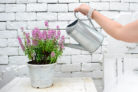
If you’re growing lavender in pots, containers, or balcony boxes, it’s going to need a little more TLC. Since the roots are confined to a pot, they can’t stretch out to find nutrients in the deep soil. This is where your green thumb really comes in handy!
Lavender in pots prefers:
- A mix of sand and potting soil
- A bit of loamy substrate
- Well-draining soil (never soggy!)
Since nutrients wash out of pots faster, you’ll want to fertilize once at the start of the growing season and again in June or July. It’s also a great habit to refresh the soil once a year. Spring is the perfect time to repot your lavender into a slightly larger container with fresh dirt to keep it vibrant and healthy.