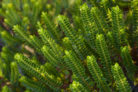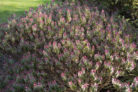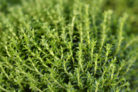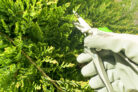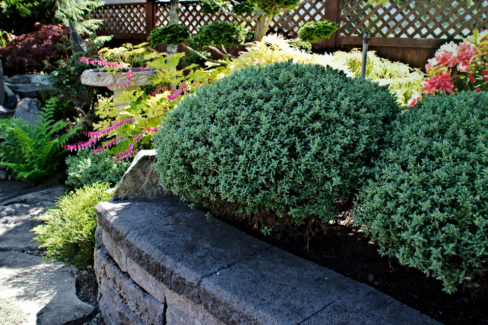
Hebe, also known as Shrubby Veronica, is a total superstar in the garden. With those gorgeous flower spikes in shades of white, purple, and pink, they look amazing paired with other bloomers—and let’s be honest, the bees absolutely love them! The best part? Hebe is pretty low-maintenance, as long as you know a few simple tricks, especially when it comes to pruning.
Pruning Your Shrubby Veronica
Technically, Hebe doesn’t *need* to be pruned to survive. However, because they grow so bushy, they have a habit of getting “leggy” or bare at the bottom over time. To keep yours looking lush, I recommend a light trim every now and then. Try shaping the plant into a rounded or oval silhouette; this helps sunlight reach those lower branches and prevents those unsightly brown patches from forming in the first place.
The Best Time to Prune
Hebe starts setting its flower buds in the spring, so you’ll want to get your shears out just before that happens. If you have a late-blooming variety, you can wait a bit longer into the spring. The golden rule here is to never take off more than about a quarter of the plant. This ensures it bounces back quickly and puts all its energy into making flowers. Regular light pruning actually encourages new growth, giving you a much denser, fuller bush.
Pruning at a glance:
- Always prune moderately—never take off more than 1/4 of the growth.
- Early spring is the ideal time, though you can also prune in the fall (cutting back by 2/3 after the flowers fade).
- Repeat every year to maintain a nice shape.
- Save your spring clippings! They make perfect “tip cuttings” for new plants.
- Use the right tools: a sharp knife for soft green growth, hand pruners for woody stems, and loppers for any thicker branches.
Growing New Plants from Cuttings
Don’t let those spring trimmings go to waste! You can easily turn them into new plants. Look for cuttings that are at least 6 inches long and still flexible (not woody). It’s best to make your cut right below a leaf node. Simply stick these little stems into pots filled with seed-starting mix and keep them nice and moist.
Place them somewhere bright and warm. If you want to speed things up, cover the pots with a clear plastic bag to create a mini greenhouse effect. In that humid warmth, your Hebe cuttings should start rooting in just a few weeks. Once you see new leaves popping up, your baby plant is ready to be moved to the garden and cared for just like the grown-ups!