Gardeners all over the world love lavender for its stunning colors and that unmistakable, relaxing scent. But to keep your plants thriving and looking their best, a little “tough love” with the pruning shears is essential. Here’s everything you need to know to keep your lavender lush and healthy.
Proper Pruning Promotes Natural Growth
Believe it or not, when you prune your lavender, you’re doing it a huge favor. Cutting it back doesn’t stunt the plant; it actually encourages natural, vigorous growth. Regular trimming helps the plant maintain a beautiful, compact shape and prevents it from getting “leggy.” Without pruning, the outer branches can become too heavy and flop over, while the center of the bush turns woody and bare.
However, just like any other garden favorite, lavender has its own set of rules. Timing and technique are everything. If you follow this guide, you’ll know exactly how to handle different varieties of lavender throughout the seasons.
As a general rule of thumb, you should prune your lavender twice a year. The first big “haircut” happens in the spring, and the second light trim comes in late summer or early fall, right after the lavender blooming season ends. Keep these two windows in mind for a happy plant!
Finding the Perfect Time to Prune
Your first pruning session should happen early in the year. You’re looking for a sweet spot in the spring when the threat of a hard frost has passed, but before the plant has started putting out new growth. Grab your shears or a sickle, and you’re ready to go.
How to handle the spring prune
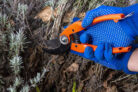
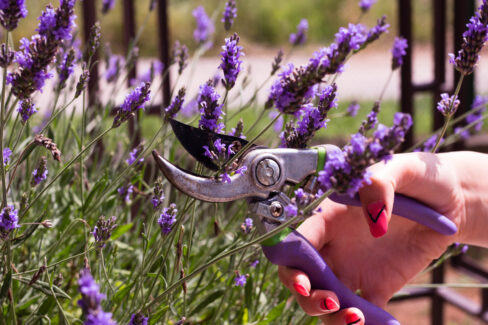
The golden rule here is to cut back no more than two-thirds of the plant. Be careful not to cut into the “old wood” (the thick, brown, leafless parts near the base). Instead, trim just above the previous year’s growth. This is also the perfect time to snip away any dry or completely woody stems that didn’t survive the winter.
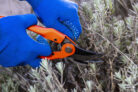
Always use sharp, clean tools—whether it’s garden shears or a hand sickle. It’s a great idea to disinfect your blades first with a little rubbing alcohol or a specialized garden disinfectant to keep your plants disease-free.
Trimming lavender after the bloom
The second trim happens once the flowers start to fade. If you’re planning on harvesting the blooms to dry them, this is your moment! Even if you aren’t harvesting, you should still tidy up the plant by early autumn at the latest. At this stage, you only need to take off about one-third of the growth. Make sure to leave plenty of green stems and young leaves behind.
This gives the lavender enough time to “harden off” and prepare for the chilly winter months. Don’t wait too long, though! If you prune too late in the season, the fresh cuts won’t have time to heal, making the plant vulnerable to frost damage. If you miss the window in early fall, it’s actually safer to just wait until next spring.
Harvesting and Drying Your Lavender Blooms
One of the best parts of the late-summer trim is keeping the flowers! Lavender is incredibly versatile around the house and in the kitchen. You can use it culinarilly to level up your baking, or fill sachets to keep your bedroom or bathroom smelling like a spa. You can even make lavender-infused sugar. The key to success is drying them properly.
Here’s what you’ll need:
- Sharp garden shears or a sickle
- Twine or string
- A dark, dry place for hanging
When you cut the stems, gather them into small bundles. Tie them together with your twine and hang them upside down in a dark, well-ventilated room. After about two weeks, the flowers should be completely dry—you can test them by feeling the buds; they should crumble easily. Once they’re ready, take the bundles down. You can use the flowers immediately or store them in an airtight jar to keep that fragrance fresh!