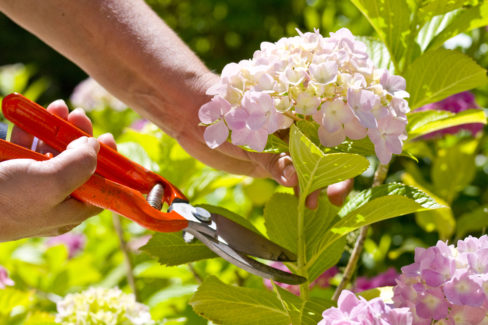
Scented geraniums are absolutely enchanting—they can smell like anything from fresh mint and crisp apple to lemon or even roses. Plus, their leaves are actually edible and taste amazing! But let’s be honest: the main reason we grow them is for that explosion of beautiful blooms. To get your plants to really show off, you’ve got to get comfortable with your pruning shears.
The Secret to More Blooms and Successful Overwintering
When it comes to scented geranium varieties, the magic happens on the new growth. Those long, leggy stems from last year aren’t going to produce much in the way of flowers. A good, hard prune clears out the “old stuff” and makes room for fresh stems to sprout. Cutting them back actually triggers the plant to branch out and create way more flower buds.
Since geraniums can’t handle frost, they need a safe spot to overwinter indoors. If you’re short on space or your storage area is a bit dark, you’ll definitely want to cut them back before bringing them inside. However, if you have a bright spot where they can stay in their window boxes, you can hold off on the heavy pruning until spring.
Pruning in the Fall
Pruning in the fall is a lifesaver if you want to overwinter your geraniums without soil to save space. They can stay in a dark spot between 40-50°F (5-10°C). You’ll want to do this once the outdoor temperatures stay consistently below 50°F, but definitely get them inside before the first frost hits. Here’s how to do it:
- Cut all the stems back to about 4 to 8 inches (10-20 cm). You want to leave only about 3 or 4 nodes (those little bumps where leaves grow) on each stem.
- Strip off any remaining leaves, buds, or flowers. You want the plant to focus on resting, not growing.
- Dig the geraniums up and gently shake the soil off the root balls.
- Thin out the fine “hair” roots and trim back the main roots slightly.
- Now they’re ready for winter! You can wrap them in newspaper or even hang them upside down with the roots tucked into a plastic bag.
Quick Tip:
Plants that have been cut back hard should start “waking up” in February. This means it’s time to repot them, move them to a bright (but not too hot) spot, and slowly start watering more. You can start fertilizing again in April.
Pruning in the Spring
If you waited until spring to prune, make sure to do it before the new growth really takes off.
- First, plant your geraniums in fresh potting soil and give them a good drink.
- Once the stems look hydrated and firm, you can start cutting.
- Remove any dead or hollow stems completely.
- Shorten the healthy stems back to 4-8 inches, just like the fall method.
Note:
Even if you pruned in the fall, your plants will likely need a little “haircut” in the spring. This is the time to snip off any weak, spindly “winter growth” or dried-out tips.
Deadheading and Cuttings
Throughout the summer, keep your shears handy! Deadheading (cutting off spent flowers) encourages the plant to branch out and produce even more buds. If you want to grow your collection, July through mid-September is the perfect time to take cuttings for propagation. And since scented geraniums are edible, feel free to snip off a few leaves or flowers anytime to garnish a salad or flavor a cake!