Pruning your phlox isn’t just about keeping things tidy—it’s the secret to a longer blooming season, a second flush of flowers, and keeping your plants looking young and vibrant. Here’s the lowdown on when and how to give your phlox a haircut.
Pruning Phlox in the Fall
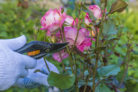
For early-blooming varieties, fall is the perfect time for a cleanup once the flowers have faded. This cut keeps your garden looking sharp and helps the plant prep for winter. Simply trim the stems back to about a hand’s width above the soil. If you’re interested in saving seeds, make sure to collect them before you start cutting. Otherwise, those seeds tend to sprout wherever they land, and you’ll find phlox popping up all over your flower beds!
Late fall is also a great time for a “rejuvenation cut” on those early bloomers. Doing this regularly keeps the plant vigorous and full of flowers. If you have late-blooming varieties, it’s actually better to wait until spring to divide them.
Spring Trimming Tips
When it comes to late-blooming phlox, I usually hold off on the regular pruning until spring. There are a couple of big perks to waiting:
- The old stems act as a natural winter mulch, protecting the crown.
- You clear the way just in time for fresh new growth to emerge.
Want to enjoy those flowers even longer? Try the “Chelsea Chop!” If you prune back about a third of the stems in mid-May (before they start blooming), you’ll stagger the flowering time. To encourage a second flush of blooms in the fall, just deadhead the faded flower clusters right as the first wave of blooming starts to wind down. This keeps the plant’s energy focused on making new flowers.
Year-Round Maintenance
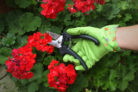
No matter the season, keep an eye out for any diseased, wilted, or spent parts of the plant. Snipping these off right away encourages healthy growth and keeps your phlox looking its absolute best. Plus, it just makes the whole garden look more polished.
A Note on Annual Phlox
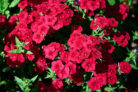
Unlike the perennial or creeping varieties, annual phlox doesn’t need a major pruning. Since these beauties only live for one season, you’ll be planting fresh ones every year anyway. The only time you really need to reach for the shears is when you’re cutting a few gorgeous stems to brighten up a vase indoors!