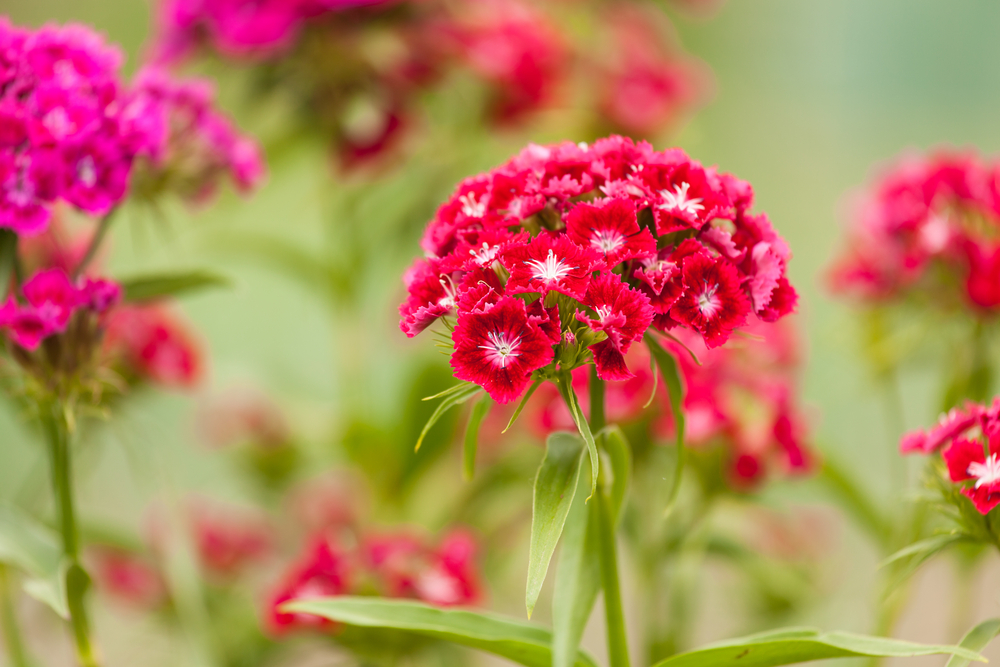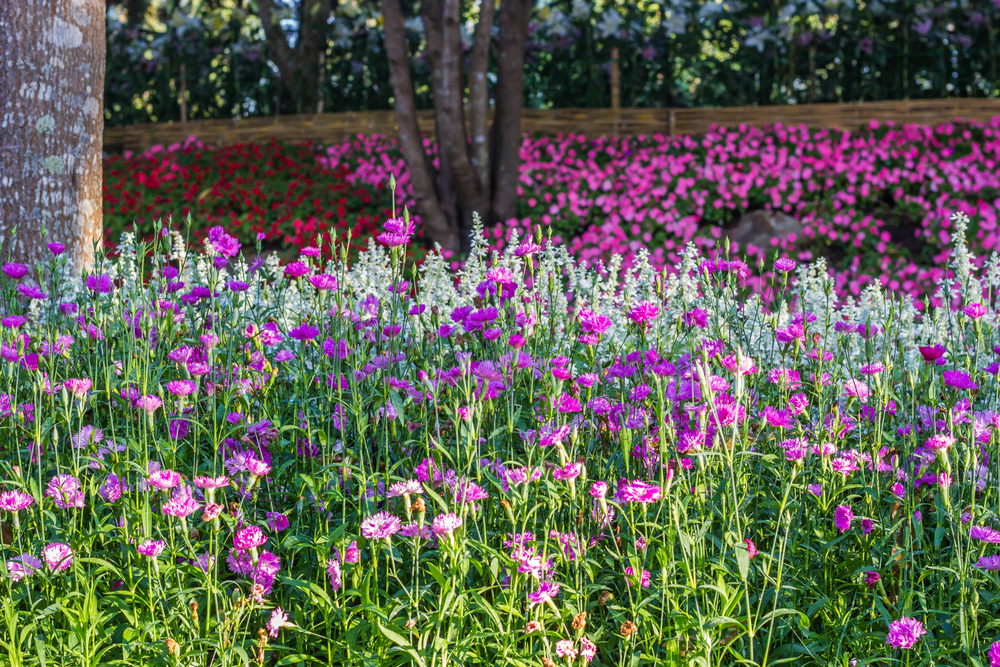
Sweet Williams (Dianthus barbatus) are some of the most low-maintenance beauties you can add to your garden. When it comes to pruning, they’re pretty hands-off, but there are a few tricks to keep them looking their best and even get some extra mileage out of their blooms.
Getting a Second Bloom
Most gardeners love Sweet Williams for those gorgeous, clustered flowers. If you want to enjoy them twice in one season, here’s a pro tip: give the plant a radical haircut right after the first flush of flowers fades. By cutting them back hard before the seeds have a chance to fully mature, you can often trick the plant into sending up a second round of blossoms. Just keep in mind that if you’re planning on harvesting seeds to grow more next year, you’ll want to leave at least a few spent flowers on the stems so they can finish ripening.
Skip the Fall Pruning
Speaking of seeds, you’ll want to avoid pruning in the fall. Even if you don’t plan on collecting the seeds yourself, letting the plant be allows it to self-sow naturally, ensuring you have new plants popping up next season.
Aside from that, the only other time you’ll really need to reach for your shears is if you spot any pests or disease. Sweet Williams are incredibly hardy, so this doesn’t happen often, but keep an eye out for aphids or fungal issues. If you see something funky, snip off the affected parts immediately and toss them in the trash (not the compost!) to keep the rest of your garden healthy.
Cutting for Bouquets
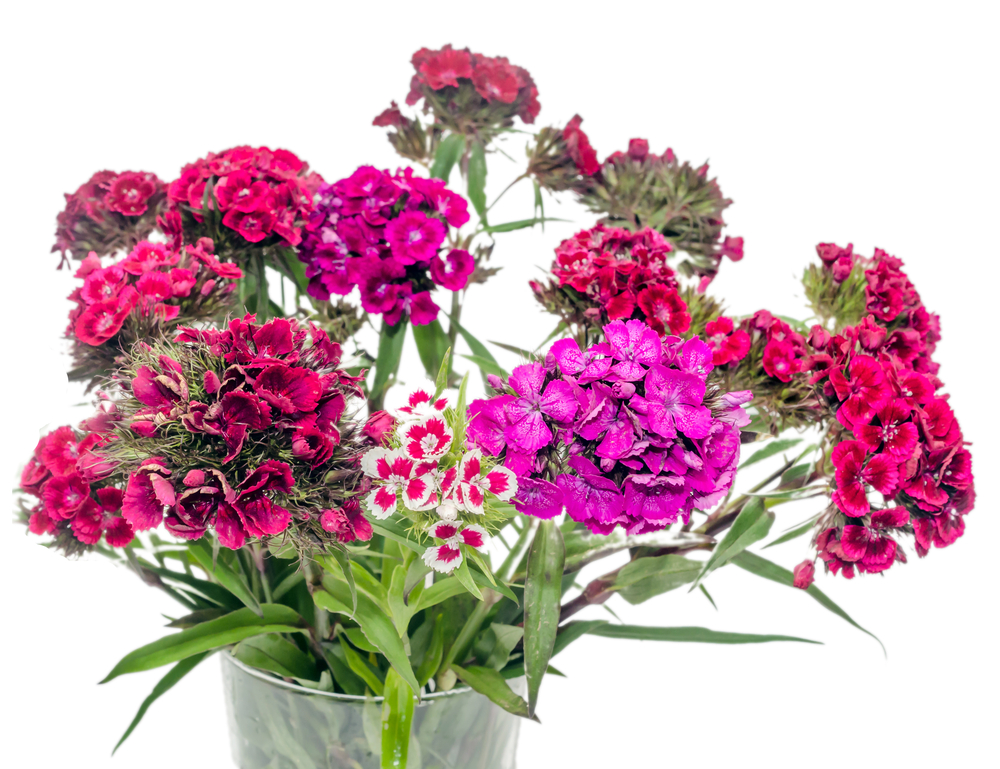
Finally, Sweet Williams make fantastic cut flowers for your home. To keep them looking fresh in a vase, follow these simple steps:
- Head out to the garden early in the morning once the dew has dried.
- Always use sharp, clean shears to ensure a clean cut that won’t stress the plant.
- To help your bouquet last as long as possible, give the stems a fresh trim every two days.