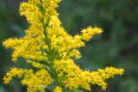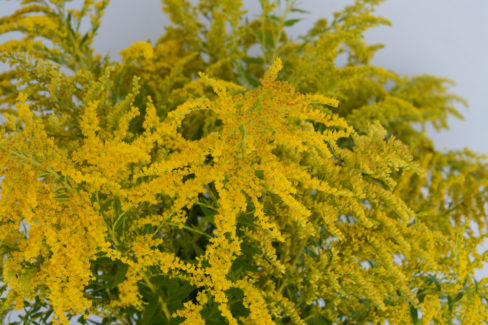
While plenty of low-maintenance garden plants can get by without ever seeing a pair of shears, Goldenrod is a different story. If you take a “hands-off” approach with this one, don’t be surprised if you find it popping up in every corner of your yard before you know it!
Get Moving Right After Blooming
The main challenge with keeping Goldenrod in your garden is its superpower for spreading. It expands in two ways: through its root system and by dropping seeds. To keep the roots in check, your best bet is to plant a cultivated variety rather than a wild species, as the “tame” versions aren’t nearly as aggressive. When it comes to the seeds, however, you’ve got to be quick with the pruners as soon as the blooming season wraps up.
Stop Those Seeds in Their Tracks
Here’s the deal: Goldenrod seeds only fully mature into little fruits after the flowers have faded. By being consistent and deadheading the plant, you effectively stop that maturation process. Removing those wilted flower heads ensures they never get the chance to turn into seed heads and blow all over your flower beds.
Post-Winter Cleanup
Once you’ve survived the winter and are gearing up for the new gardening season, you’ll want to clear out the old, withered stems. Since Goldenrod is incredibly frost-resistant, you don’t need to wait until the very last frost of spring to get to work. Just pick any mild spring day to tidy things up. The key is to get your pruning done before the new growth starts peeking through. There’s no massive rush, though—Goldenrod is a classic late-bloomer, so it takes its time waking up.
To keep your Goldenrod happy (and contained), keep these two windows in mind for pruning:
- In early spring, before the new growth starts.
- Immediately after the flowers have finished blooming.