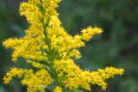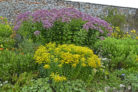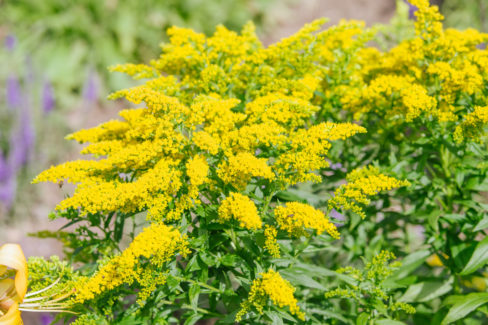
Goldenrod is a real late-summer superstar, usually waiting until August to show off its lush, vibrant yellow blooms. While most of your other garden favorites are starting to wind down for the season, goldenrod keeps the party going well into October. If you want that floral display to be as intense as possible, though, you’ve got to make sure it’s happy in its home.
A Total Sun Seeker
For the best results, you’ll want to plant your goldenrod in a sunny spot. It’s pretty flexible and can handle partial shade just fine, but definitely steer clear of those deep, dark corners of the garden where the sun never shines.
Getting the Soil Right
When it comes to dirt, goldenrod isn’t too picky, but it does love well-draining soil. It actually prefers nutrient levels to be right around average—nothing too fancy! You really only need to step in if your soil is super heavy clay or extremely depleted. In those cases, mixing in some mature compost and a bit of sand or gravel will do the trick. But honestly? Most of the time, it’ll do just fine with what you’ve already got.
Low-Maintenance Vibes
As long as your goldenrod is getting enough light, it’s a very “set it and forget it” kind of plant. Since it’s a classic pioneer species, it’s used to looking after itself. It handles dry spells like a pro, doesn’t need fertilizer, and pruning is totally optional—unless, of course, you want to keep it from taking over the whole yard!
A Few Extra Pro-Tips
When you’re ready to get planting, location is key, but so is spacing. Depending on the variety you choose, these plants can vary wildly in size. For the smaller types, about a foot and a half (0.5 meters) of space is plenty. However, if you’re planting Giant Goldenrod, give those big guys at least six feet (2 meters) of breathing room so they don’t crowd each other out.
To recap, here’s the goldenrod checklist for a happy plant:
- A sunny to partly shaded spot.
- Well-draining soil.
- Moderate nutrient levels.