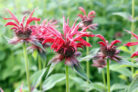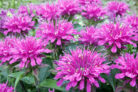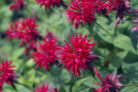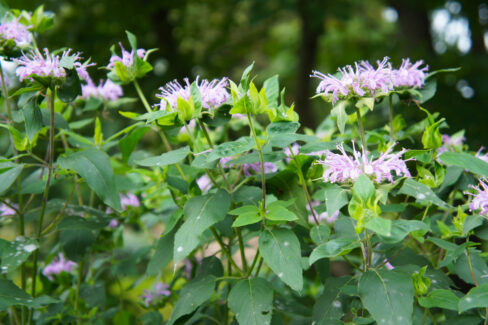
When it comes to maintenance, Bee Balm (also known as Monarda or Oswego Tea) is about as easygoing as it gets. This wild, bushy perennial really only needs a little haircut every now and then—especially before winter hits—to keep it happy. If you stay on top of it, you’ll be rewarded with a massive explosion of blooms next season.
When to Prune Your Bee Balm
Bee Balm is a vigorous grower that forms beautiful, bushy clumps. Since it’s native to the prairies of the Eastern United States, it feels right at home in naturalistic landscapes and pollinator gardens. It’s a low-maintenance superstar, but there are a few specific times you’ll want to grab your shears:
- For harvesting
- For propagation
- To encourage more blooms
- Before winter dormancy
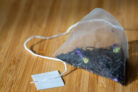
If you’re just harvesting some Bee Balm for tea or bouquets, don’t overthink it! Just use a clean pair of garden shears and snip the stems a few inches above the soil.
Taking Cuttings for New Plants
If you want to propagate your Bee Balm, taking cuttings is the way to go. Look for healthy stems and cut off sections about four to six inches long. Make sure to cut at an angle—this increases the surface area so the cutting can soak up water more easily. Strip off all the leaves except for the top two, then tuck the stem into some seed-starting mix. Once it takes root and grows through the winter, it’ll be ready to hit the garden by next spring.
Pruning for More Flowers
To keep your Bee Balm looking its best, you’ll want to deadhead those spent blooms regularly. Removing the old flowers encourages the plant to put its energy into new growth. For older perennials that have finished their main show, you can cut them back to about a hand’s width above the ground.
Before the first hard frost, give the whole plant a good “rejuvenation cut” down to the base. This clears the way for fresh, lush growth in the spring. Don’t worry about the cold, though—Bee Balm is completely winter-hardy and will do just fine staying in the ground until the weather warms up again.