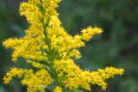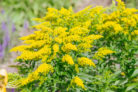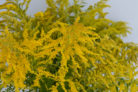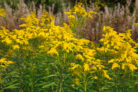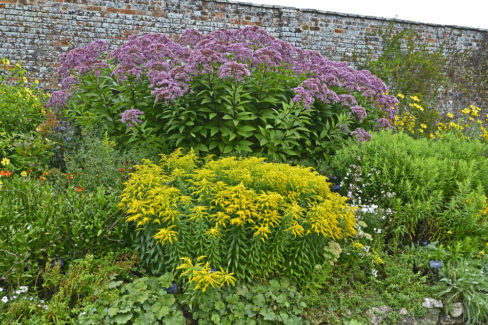
Goldenrod is a total favorite among home gardeners, and for good reason! It shows off those stunning yellow plumes right when most other plants are starting to call it quits for the season. Since it doesn’t even start blooming until August and keeps going strong through October, it’s the perfect way to keep your garden glowing into the fall. Plus, it’s incredibly easy to get in the ground.
Finding a Sunny Spot
While there are about a hundred different species of goldenrod, most of the varieties we love actually call North America home. These plants are real sun-worshippers, so you’ll want to pick a location that gets plenty of bright, direct light to keep them happy.
The Right Soil
Aside from soaking up the sun, the quality of your soil plays a big role in how well your goldenrod thrives. The cool thing about this plant is that it can handle “lean” or poor soil if it has to. However, it’ll really take off in soil that has a decent amount of nutrients. The most important thing to remember? Moisture. Goldenrod isn’t a big fan of drying out, so you’ll want soil that holds onto water well.
Planting in Spring or Fall
When is the best time to get your hands dirty? Like most perennials, you’ve got two main windows: spring or fall. Either way works great! The goal is simply to give the plant enough time to establish a solid root system—either to support those late-summer blooms or to make sure it’s tucked in safely before the winter freeze.
Easy Does It
When it comes to the actual planting process, don’t overthink it. Goldenrod is about as low-maintenance as it gets. There aren’t any crazy technical tricks you need to know. As for spacing, there’s no “one size fits all” rule because goldenrod species vary so much in size—some stay small while others get quite tall. Just check the tag on the specific variety you bought!
To get your goldenrod off to a great start, just remember:
- Pick a sunny spot.
- Use soil that stays consistently moist.
- Make sure the earth has a moderate amount of nutrients.