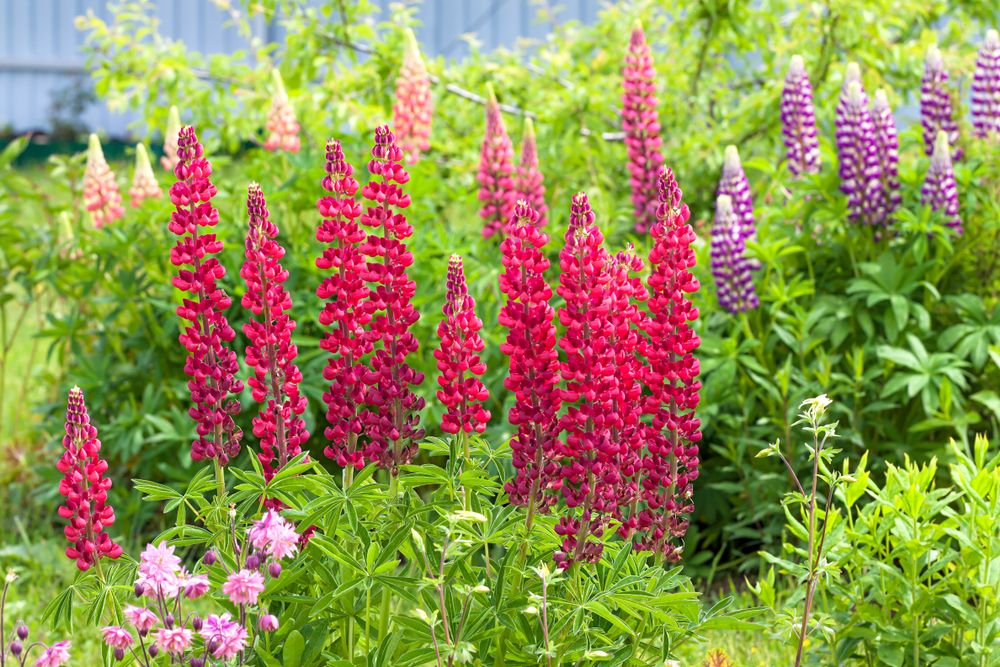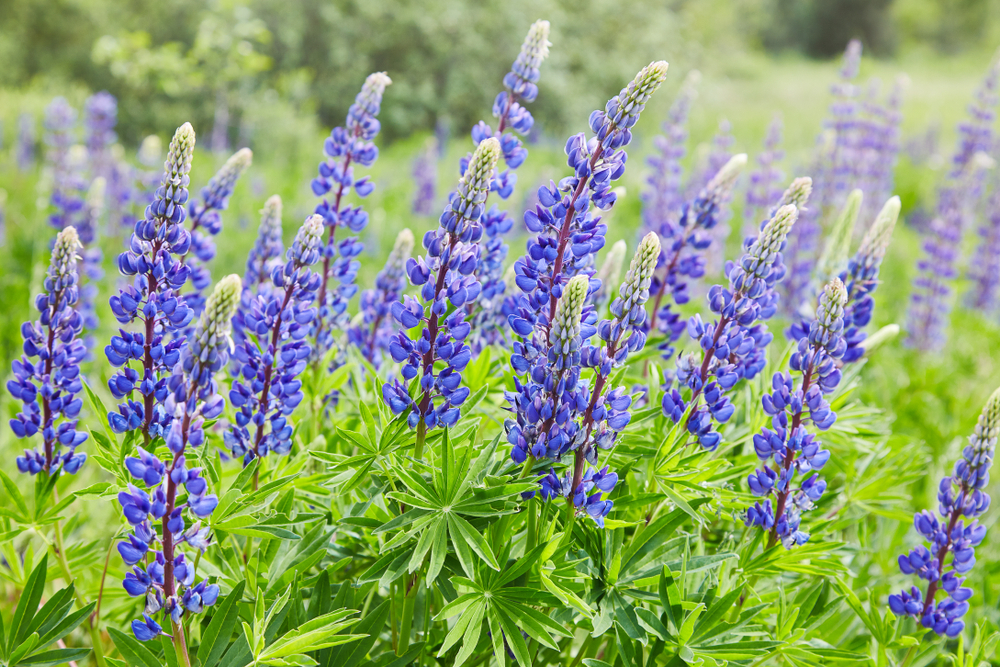
Since lupines don’t usually get too massive or take over your entire yard, you really don’t *have* to prune them. But, as with most things in the garden, there are a few exceptions to the rule! In this post, I’ll walk you through when it actually makes sense to grab your shears and how to go about it.
Why you can skip the fall cleanup
When lupines get ready for their winter nap, they naturally let their foliage die back on its own. Those leaves will slowly decompose, creating a built-in protective mulch for the soil. This organic matter is actually a win-win: it feeds the soil with nutrients (saving you a trip to get fertilizer!) and helps keep weeds at bay.
You’ll often hear people recommend a big fall cut, but honestly? It’s totally unnecessary. Your lupines will sprout back up just fine next spring without any help from you.
3 great reasons to prune your lupines
Lupines aren’t exactly “divas” that need a fancy haircut to look good. They don’t grow wild, tangled branches or take up too much space. However, there are three specific times when pruning is actually a smart move:
Dealing with pests and disease
Powdery mildew is a super common fungal issue for lupines. If you spot that tell-tale white, dusty coating on the leaves, you’ll want to act fast. Snip off the affected leaves immediately to stop the fungus from spreading to the rest of the plant.
Pro tip: Never toss diseased clippings into your compost pile! The fungus can survive there and hitch a ride to the rest of your garden later.
Preventing unwanted seeds
It’s a great habit to deadhead (remove) faded flowers regularly. This encourages the plant to put its energy into new growth rather than maintaining old blooms.
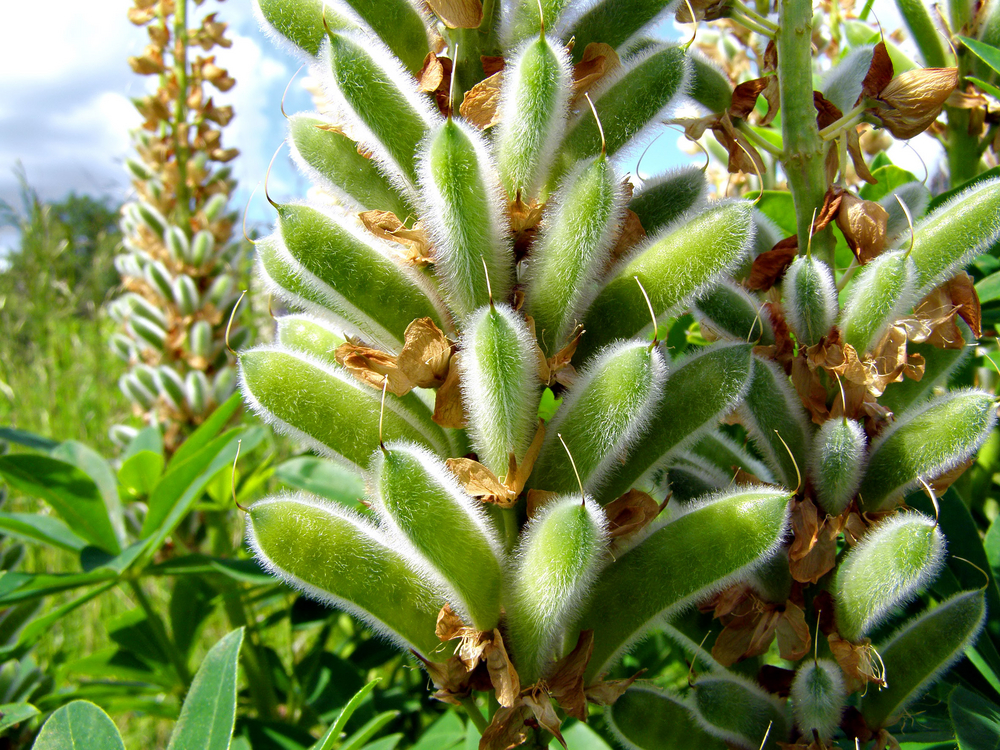
Even more importantly, pruning prevents the plant from dropping seeds and spreading uncontrollably all over your garden. Plus, lupine seeds are actually toxic. If you have curious pets or kiddos running around the yard, cutting back the flowers before they go to seed is a must for safety.
Propagation
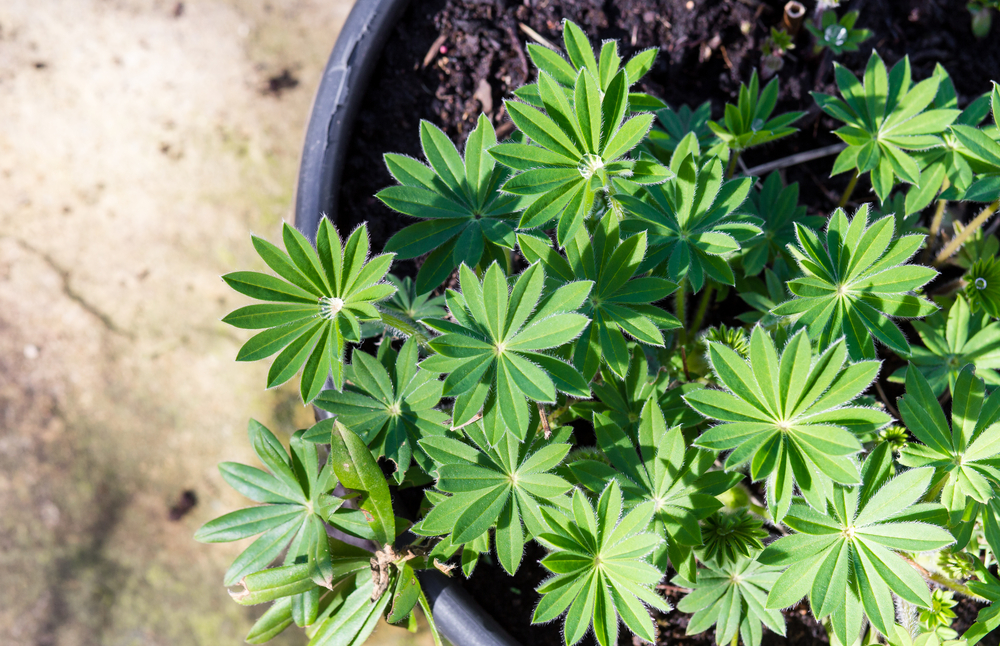
If you actually *want* more lupines (and who wouldn’t?), you can use your shears for propagation. In the spring, you can take cuttings from the fresh, new shoots growing in the center of the plant. Just tuck those cuttings into a new spot in your garden, and you’re good to go!