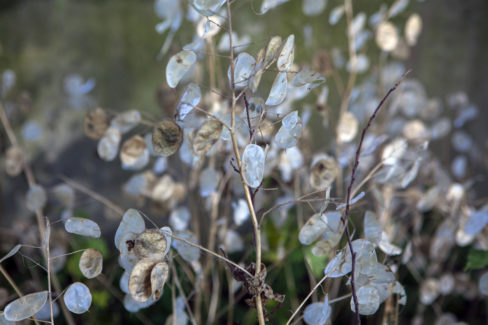
The Silver Dollar plant (also known as Honesty or *Lunaria*) is a unique addition to any garden, but it has a specific life cycle you should know about. It’s technically a biennial, meaning it lives for two years and then naturally dies off on its own. Because of this, you don’t really need to worry about pruning or cutting back the stems to keep it healthy—nature takes care of that for you! The only time you’ll really want to reach for your garden shears is if you’re harvesting those iconic seed pods for decor.
The Silver Dollar Plant’s Natural Life Cycle
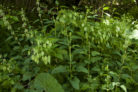
While many people treat it as an annual, the Silver Dollar plant is actually a two-year project. During its first year, it’s pretty low-key and blends into the background. In fact, it’s so inconspicuous that it often gets mistaken for a weed or accidentally mowed over!
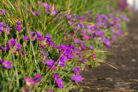
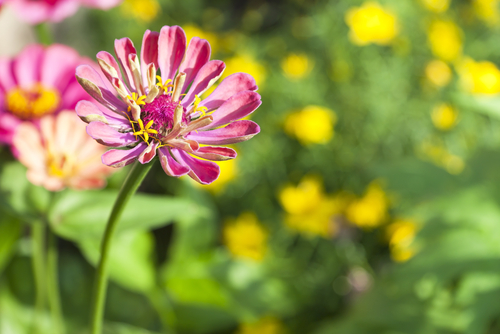
It’s not until the second year that the magic happens. That’s when you’ll see those beautiful purple flowers bloom, followed by the seeds that allow the plant to reproduce. Once the flowering stage is over, the entire plant will begin to wither and die. Since it’s finishing its life cycle anyway, there’s no need for a regular pruning routine.
Using Seed Pods for Home Decor
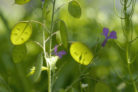
The purple flowers are lovely, but most gardeners grow this plant for its striking, translucent seed pods. These “silver dollars” are a favorite for dried floral arrangements. If you want to use them for decor, the trick is to cut the stems early while they’re still relatively fresh. The best time to harvest is right before the pods fully open; this keeps the seeds tucked inside those shimmering, papery casings for a much cooler look.
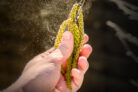
These dried stems can last for weeks in a vase. Just a heads-up, though: if the pods do happen to pop open indoors, you might find yourself cleaning up tiny seeds all over your living room floor!
Yes, You Can Eat It!
Did you know the Silver Dollar plant is actually edible in moderation? You can toss the green leaves, stems, and even those colorful flowers into your meals. However, stay away from the seeds—they contain high levels of alkaloids and aren’t safe to eat.
The edible parts of the plant work great:
- As a fresh addition to salads
- Mixed in with sautéed vegetables
- As a unique topping for a piece of artisan bread
If you’re planning to snack on your garden, take it easy during the first year. Only harvest a few leaves so the plant has enough energy to keep growing. In the second year, feel free to harvest the whole thing if you don’t want it to reseed. But, if you want a fresh batch of “silver dollars” next year, make sure to leave enough of the plant behind so it can drop its seeds and start the cycle all over again!