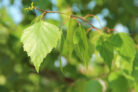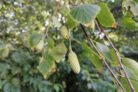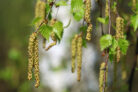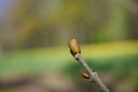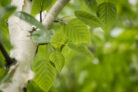
If you’re looking to grow your own Silver Birch (also known as the European Weeping Birch), it all starts with the tree’s fruit. These little seed pods aren’t just for reproduction, though—they’re also one of the best ways to identify the tree in the wild. Let’s dive into when these seeds appear and everything else you need to know about them.
How the Silver Birch Spreads Its Wings
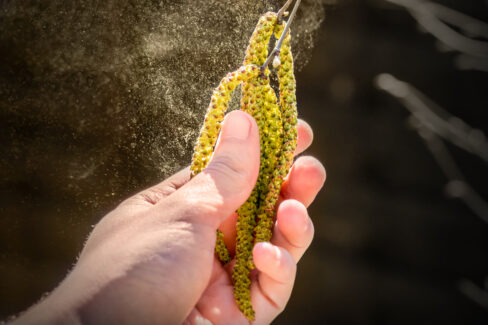
The Silver Birch is a bit of a speed demon when it comes to reproduction. It can take over a large area in no time at all! To stay ahead of the competition, this tree uses a super efficient strategy: it produces tiny, winged nutlets (samaras). Because they’re so incredibly light, the wind catches them easily and carries them far away from the parent tree.
You’ll start seeing these seeds hanging from the branches pretty early in the season. Between July and September, keep an eye out for the massive dispersal process. A single Silver Birch produces an almost unbelievable amount of seeds—way more than most other trees. That’s exactly why you’ll often see entire groves of birch popping up together.
Using Silver Birch Seeds for Propagation
If you’ve got a little patience and want to add a Silver Birch to your yard, there’s no need to run to the nursery and buy a sapling. You can just collect the seeds yourself! They germinate quickly and aren’t very high-maintenance. If you don’t have a mature tree nearby, you can easily find seeds online or at a garden center.
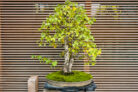
This is actually the best way to go if you’re interested in Birch Bonsai. Silver Birches don’t handle heavy pruning very well, so it’s much easier to train them into a bonsai shape if you start them from seed.
Here’s how to get your seeds started:
- Place the seeds in a pot with high-quality potting soil.
- Put the pot in a bright spot with plenty of light.
- Water regularly to keep the soil consistently moist.
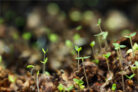
You should see sprouts within about a month. Once the seedlings are big enough to handle, transplant each one into its own individual pot. When your little birches reach about 8 inches (20 cm) tall, they’re ready for their permanent home in the ground. Just make sure to pick a spot with nutrient-rich soil so they can really thrive!