A single mustard plant produces a massive amount of seeds—those are the very same mustard seeds we use to make that tangy condiment we all love. But how do you actually know when they’re ready to pick? And is it true that the seeds are the only edible part of the plant? Let’s dive in!
How to Harvest Mustard Seeds the Right Way
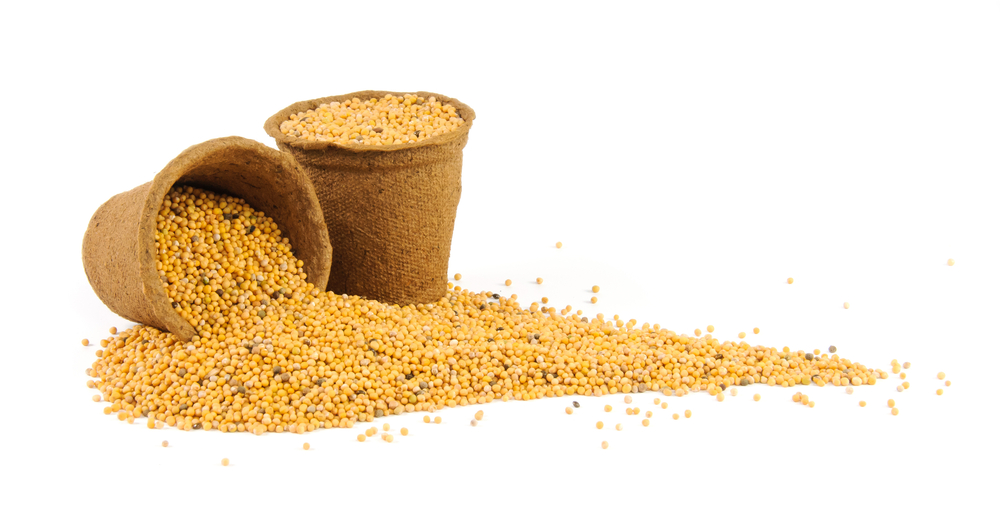
Mustard seeds grow inside little pods and are usually ready for harvest in the fall, typically between September and October. You’ll know they’re ripe when the seeds turn yellow and feel bone-dry. A pro tip? Just give the pods a little shake. If you hear them rattling inside, they’re dry and ready to go.
When you’re ready to harvest, grab a sharp knife and cut the entire stem along with the pods. Now, getting those pods open can be a bit of a workout—you’ll have a hard time doing it with just your bare hands. Instead, toss the pods into a cloth bag or a pillowcase. Give the bag a few good whacks against a wall or a large stone. That bit of force will cause the pods to burst open, making it much easier to pick out the seeds.
If the pods are at least partially cracked, you can usually finish the job by hand. Once you’ve gathered your seeds, you’ll want to let them dry for another few weeks. This is a crucial step to make sure any leftover moisture evaporates. Spread them out in a warm, dry spot on some paper towels or newspaper. After about four weeks, they’ll be perfectly cured and ready to be ground up or stored in a glass jar.
Don’t Forget the Mustard Greens!
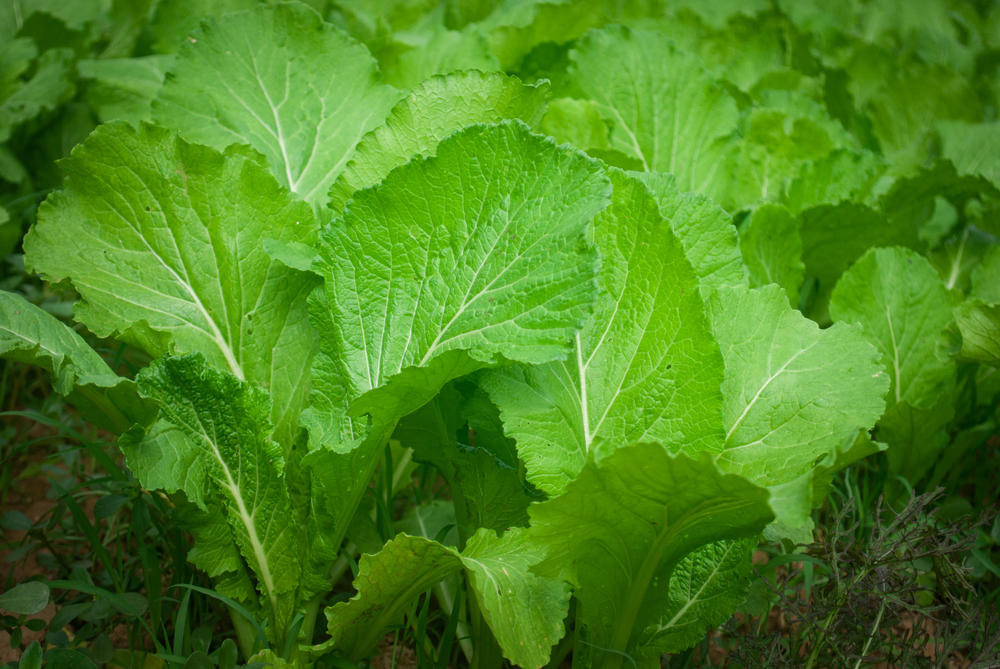
Most people focus on the seeds, but the leaves (mustard greens) are absolutely delicious too! When harvesting, try to pick only the outer leaves so the plant can keep growing strong. These greens are fantastic in fresh salads, soups, or sautéed dishes. They add a subtle, peppery mustard kick that really levels up a meal.
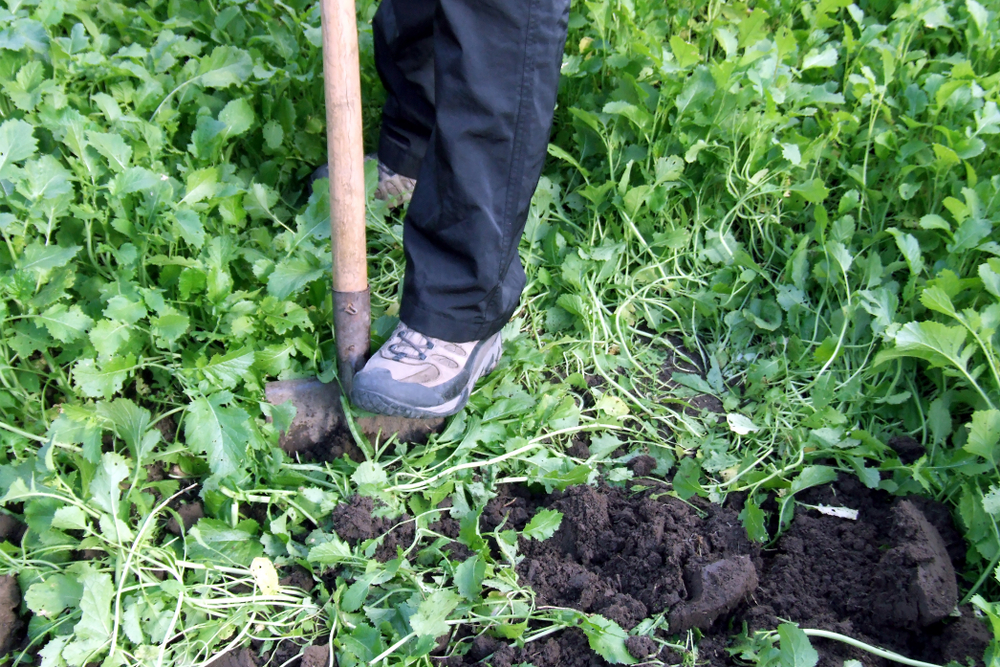
Just a heads-up: you’ll want to harvest the leaves before the flowering period. Once the plant starts to bloom, the leaves can taste a bit bland and lose their nutritional punch because the plant is putting all its energy into making flowers. After blooming, the leaves usually die back as the seed pods form. However, if you’re planning to use your mustard plant as green manure to enrich your soil, you can harvest the foliage during or even after the flowering stage.