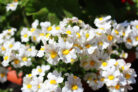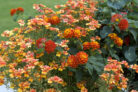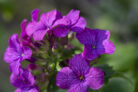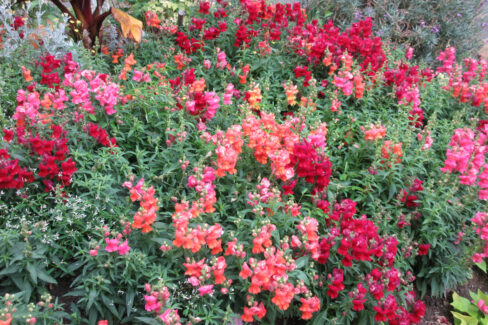
Nemesia—or “Elfenspiegel” as they’re known in some circles—are absolute rockstars for balcony boxes, but they’re just as happy living in your garden beds. Most varieties show off their colors from June all the way through September, which means you don’t *have* to be constantly pruning them to keep them looking good.
Pruning Tips
If you’re worried about a strict pruning schedule to keep them bushy, take a breath—Nemesia doesn’t really need it. However, if you’ve got them in containers on your porch, a little trim here and there can definitely help keep things tidy.
During the Blooming Season
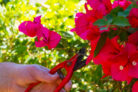
Most Nemesia varieties hit their peak bloom between June and July. If you notice the flowers starting to fade around mid-summer, you can actually “trick” the plant into a second flush of blooms in September by giving it a good haircut right after that first wave finishes. If you have a variety that naturally blooms straight through until fall, though, you can skip the heavy pruning altogether.
Encouraging More Flowers
Here’s a little pro tip: once a flower fades, the plant starts putting all its energy into making seeds to reproduce. Unless you’re planning on harvesting seeds for next year, you’d probably rather have that energy go back into making more flowers!
To keep your Nemesia looking lush, just use your fingers to gently pinch off the spent blooms (deadheading). This encourages the plant to keep producing new buds because it’s still trying to complete its life cycle. Plus, it keeps your balcony boxes looking fresh and well-groomed.
Nemesia in the Garden
If you’ve planted your Nemesia directly in the ground, whether or not you prune is totally up to you. The main perks of a quick trim are:
- Encouraging a denser carpet of flowers
- Triggering that second bloom in late summer
That said, if they’re tucked away in a hard-to-reach spot in your garden beds, don’t sweat it—they’ll do just fine without the extra attention.
Overwintering
Since most Nemesia are grown as annuals, you usually don’t need to worry about overwintering them. However, if you’re feeling adventurous and want to try keeping them alive until next spring, make sure to give them a significant cut-back before moving them into their winter quarters.