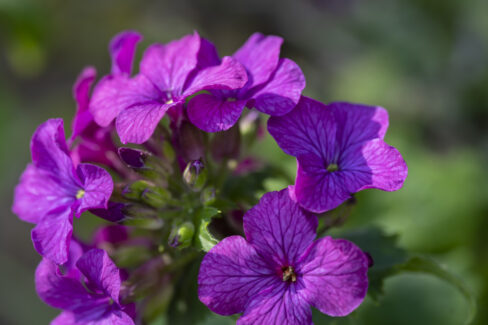
Once your phlox has finished its main show, a little TLC goes a long way in keeping the plant healthy and even coaxing out a second round of blooms. Here’s the lowdown on why post-bloom care matters and how to give your “flame flower” exactly what it needs.
Give your phlox a boost and encourage a second bloom
Deadheading—or removing spent flowers—isn’t just about keeping your garden looking tidy; it actually helps your phlox focus its energy on growth rather than seed production. If the conditions are right, you might even get a “bonus” second bloom! This is especially common with early-blooming varieties. While late-bloomers are technically capable of a second flowering period, the cooling weather usually cuts them short. You’ll have the best luck with these early birds:
- Meadow Phlox
- Creeping Phlox
- Moss Phlox
To encourage that second flush of color on early bloomers, simply prune back the faded flower tips. For late-blooming varieties, we actually recommend trying the “Chelsea Chop” earlier in the season to extend the initial flowering time rather than banking on a second bloom later on.
Keep your phlox from taking over the yard
After the flowers fade, phlox gets busy producing seeds that germinate easily once the weather cools down. If you leave the seed heads on the plant, they’ll scatter all over your garden, and you might find phlox popping up in spots where you never intended to plant it. Of course, if you’re using phlox as a groundcover, you might actually want to let it spread and do its thing!
Fertilizing phlox after the bloom
Phlox is a hungry plant while it’s blooming, so it usually needs a bit more fertilizer during its peak. If you use a standard liquid or granular fertilizer, you can be a little more generous while the flowers are out. Once the blooms fade, however, it’s time to scale back. If you’re the type of gardener who prefers a once-a-year application of compost, you’re all set—no need for extra feeding after the flowers are gone.