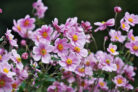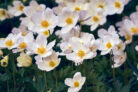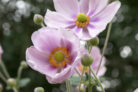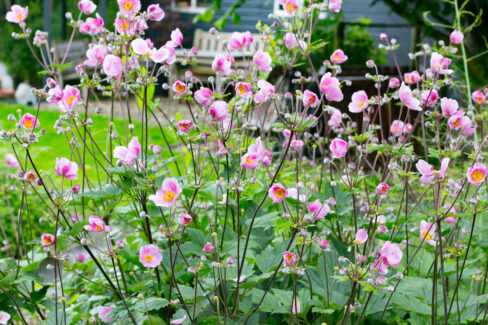
The Japanese Anemone (*Anemone hupehensis*) is famous for being a low-maintenance garden favorite. But if you want those blooms to really pop and keep coming all season long, a little strategic pruning goes a long way. I’m going to walk you through how to get it right so your perennials stay healthy and gorgeous.
Here are the main reasons you’ll want to grab your shears:
- Deadheading spent blooms
- Removing diseased foliage
- Cutting fresh flowers for indoor bouquets
- The big spring cleanup
- Taking cuttings in the summer
Deadheading and Disease Control
Once your anemones start to fade, don’t wait around—grab your pruners and snip off those spent flowers immediately. By deadheading regularly, you’re actually tricking the plant into extending its blooming season. Instead of putting energy into making seeds, the plant focuses on producing even more beautiful flowers!
It’s also super important to keep an eye out for sick leaves. If you see anything funky, cut it off right away and toss it in the trash (not the compost!) so it doesn’t spread. Keep a lookout for “Anemone Rust”—you’ll know it’s there if the leaves start turning brown and drying up way earlier than they should.
Bringing the Beauty Indoors
Want to brighten up your home with a fall bouquet? Japanese Anemones make stunning cut flowers. For the longest vase life, look for stems where the flowers are just starting to open or are still in tight buds. Use a sharp pair of garden shears and get them into water immediately. If you want to go the extra mile, add a little flower food to the water.
Pro Tip: If you change the water frequently, your anemone arrangement can stay fresh for up to a week!
The Big Spring Cleanup
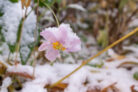
To give your *Anemone hupehensis* the best start for the new growing season, you’ll want to do a major cut-back in early spring (starting around March). A lot of people think you should do this in the fall, but I actually recommend waiting. Leaving the old growth through the winter provides a natural layer of protection against the frost—plus, the dried seed heads look really pretty in a snowy garden!
When spring rolls around, use a sharp, sterilized knife or shears to cut all the old stems back close to the ground. Just be careful not to nick any of the tender new shoots starting to peek through the soil.
Propagating: Summer Cuttings
If you want more of these late-season beauties (and who doesn’t?), August is the perfect time to take cuttings. This is the best way to make sure your new plants look exactly like the parent plant. Simply tuck your cuttings into some high-quality potting soil so they can start developing roots.
Just a heads-up: These “babies” need a little extra TLC. Wait about a full year before you transplant them out into the garden.