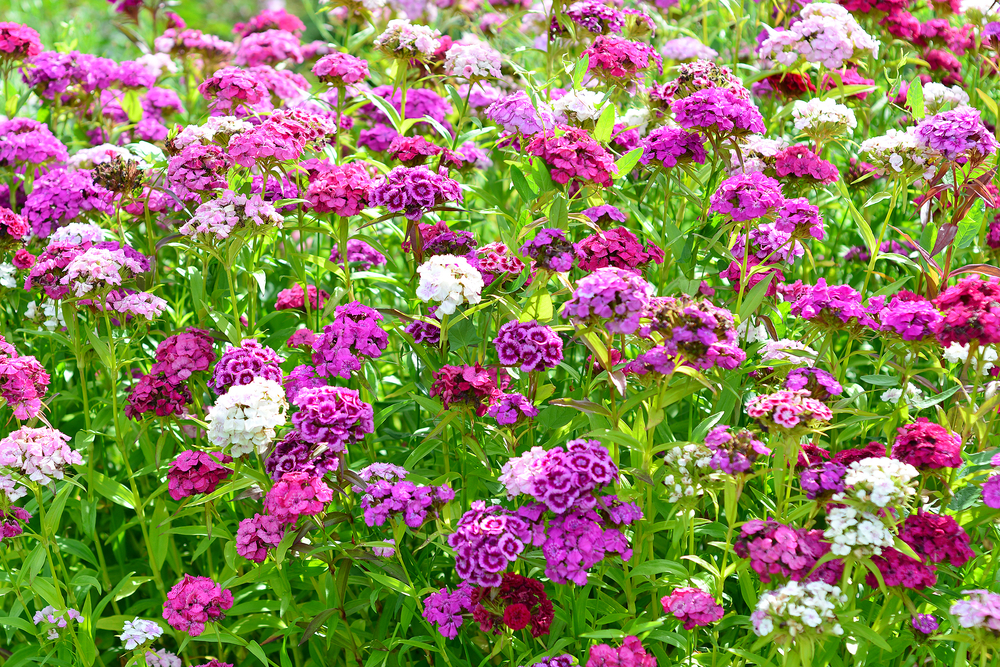
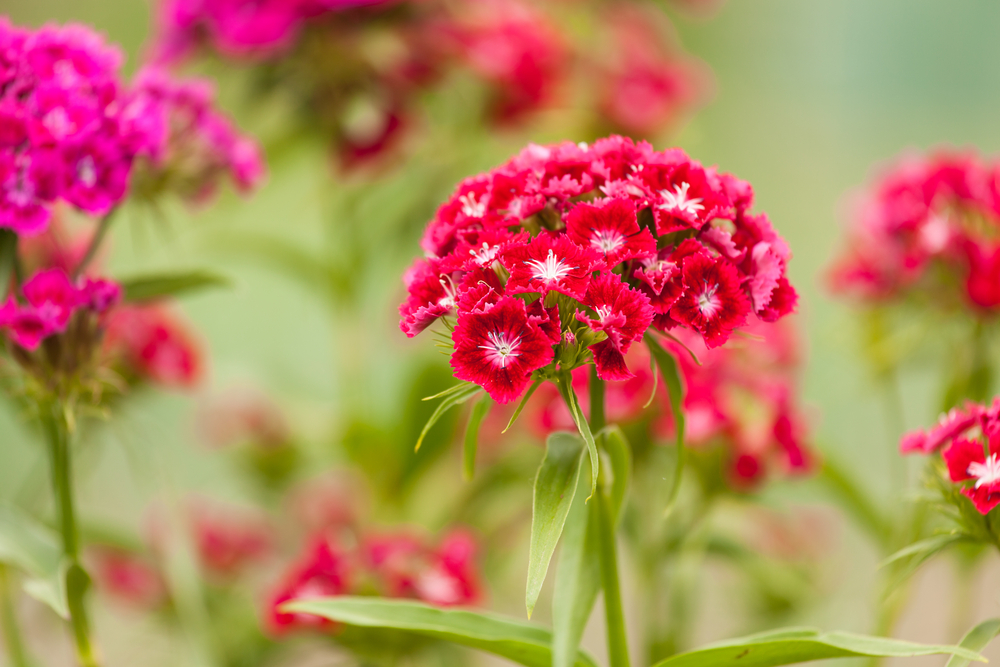
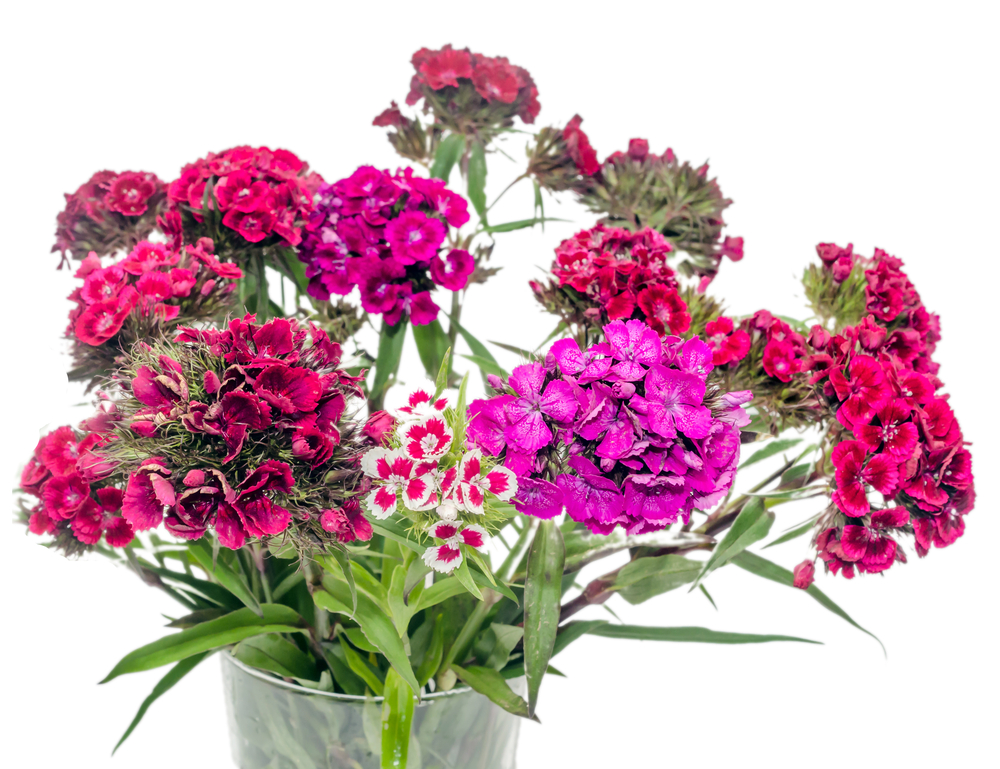
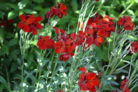
Hardly any other garden flower feels as at home in so many different corners of the globe as the Sweet William (*Dianthus barbatus*). You’ll find these beauties growing naturally everywhere from the Pyrenees and the Balkans to the Eastern Carpathians, and even across Russia and China. Because of those rugged roots, these plants are absolute champs when it comes to handling the cold.
The Two-Year Lifecycle
Typically, Sweet Williams are biennials. This means they spend their first year focusing all their energy on growing strong roots and lush foliage. You won’t see those iconic flower clusters until their second year. Occasionally, they’ll even survive a second winter and give you a bonus round of blooms the following summer!
Leave Them in the Garden Bed
When autumn rolls around in that second year, don’t be too quick to pull them out. Leave them in the bed through the winter; if they don’t make it, you can clear them out in the spring. A major perk of leaving them be is that they often drop their own seeds, essentially replanting themselves for you. Just a heads-up, though: if they self-seed, the new flowers might not be the exact same color as the ones you originally planted. Nature likes to mix things up!
Do They Need Winter Protection?
Generally speaking, Sweet Williams are pretty low-maintenance and don’t need much help surviving the chilly months. The only exception is if you started your seeds a bit late in the season. If you have young “teenager” plants, it’s a good idea to tuck them in with a layer of bark mulch, dry leaves, or evergreen brush to protect them from deep freezes. As an added bonus, as that mulch breaks down, it feeds the soil with extra nutrients.
Caring for Potted Sweet Williams
If you’re growing your Sweet Williams in containers, you’ll need to be a little more careful. Since the roots aren’t insulated by the ground, they can get damaged if the pot freezes solid. To keep them cozy, wrap your planters in insulating materials like:
- An old blanket
- Garden fleece
- A burlap sack