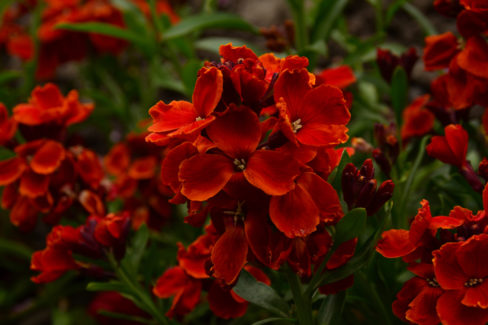
Wallflower (Erysimum cheiri) is a total garden classic that originally hails from the sunny Mediterranean. Even though it loves that southern European vibe, it’s actually a pretty low-maintenance guest in your garden. That said, if you want your wallflowers to really thrive, there are a few times when you’ll need to grab your pruning shears.
Getting Ready for Winter
Because they’re used to those mild Mediterranean winters, wallflowers are only moderately hardy. To help them survive a chilly winter, you’ll want to tuck them in with some brushwood. If your garden is particularly exposed to the elements, adding a layer of mulch or compost is a great idea too. Before the first frost hits, give your wallflower a heavy haircut—cut the stems back until they’re only about a hand-width above the ground. This gives them the best shot at bouncing back in the spring.
Deadheading During the Bloom
Most wallflower varieties show off their vibrant blooms between May and June. If you want to keep that color going as long as possible, the secret is “deadheading.” By quickly snipping off faded flowers, you stop the plant from putting its energy into making seeds. Instead, it funnels that power into creating even more blossoms! Of course, if you’re planning on propagating your wallflowers, you’ll need to leave a few spent blooms alone so the seeds can fully ripen for harvesting.
Pruning Young Plants
Another pro tip for a gorgeous garden is pruning your young plants to encourage a better shape. Once your seedlings reach about 4 to 6 inches tall, go ahead and pinch off the main leading shoot. This encourages the plant to grow much bushier rather than tall and leggy. A bushier plant means more branches, which ultimately means way more flowers for you to enjoy!
To wrap it up, you should plan on pruning your wallflowers for these three main reasons:
- To prep them for winter dormancy.
- To keep those beautiful blooms coming longer.
- To help young plants grow thick and full.