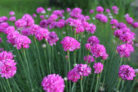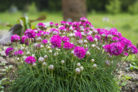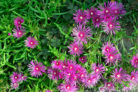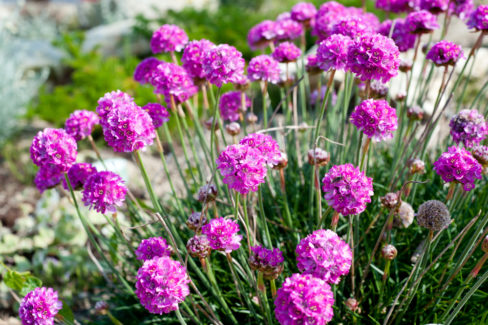
With about 200 different species found across every continent, Thrift (also known as Sea Pink) is a true world traveler. Around fifty of these varieties are perfectly adapted to temperate climates, and some even hail from the high altitudes of the Alps. But here’s the best part: even the species originally from North Africa are incredibly cold-hardy and can handle a tough winter without breaking a sweat.
One Tough Little Cookie
You might hear people call this plant “Sea Pink” because you’ll often spot it growing wild along rugged coastlines. In those spots, the soil is poor and the weather is constantly windy and harsh. A delicate “true” carnation wouldn’t stand a chance there! Despite the name and those carnation-like blooms, Thrift isn’t actually a pink or a carnation at all—botanically speaking, it belongs to the Leadwort family.
No Winter Protection Needed
When picking the perfect spot in your garden, Thrift loves soaking up the sun in well-draining soil. Don’t worry about finding a sheltered corner; these plants don’t mind the wind one bit. They can handle gales and arctic temperatures just fine without any pruning or extra winter mulching. In fact, trying to cover them up can actually do more harm than good. Since Thrift is evergreen, tucking it under a winter cover often leads to the leaves rotting away.
Watch Out for Wet Feet
The biggest threat to your Thrift during the winter isn’t actually the freezing cold—it’s the moisture. If you have a mild, rainy winter and your soil doesn’t drain well, root rot can set in pretty quickly. If you notice the leaves turning yellow, it’s usually a sign the plant is in trouble. However, if you catch it early, you can try this “rescue mission” to save it:
- Give the plant a good, hard prune.
- Dig it up and carefully trim away any mushy or damaged parts of the root system.
- Shake off as much of the old, soggy soil from the root ball as possible.
- Replant it in a new, much drier spot in your garden.